


Why Is My Hot Water Pressure Low? Common Causes for Ontario Homeowners

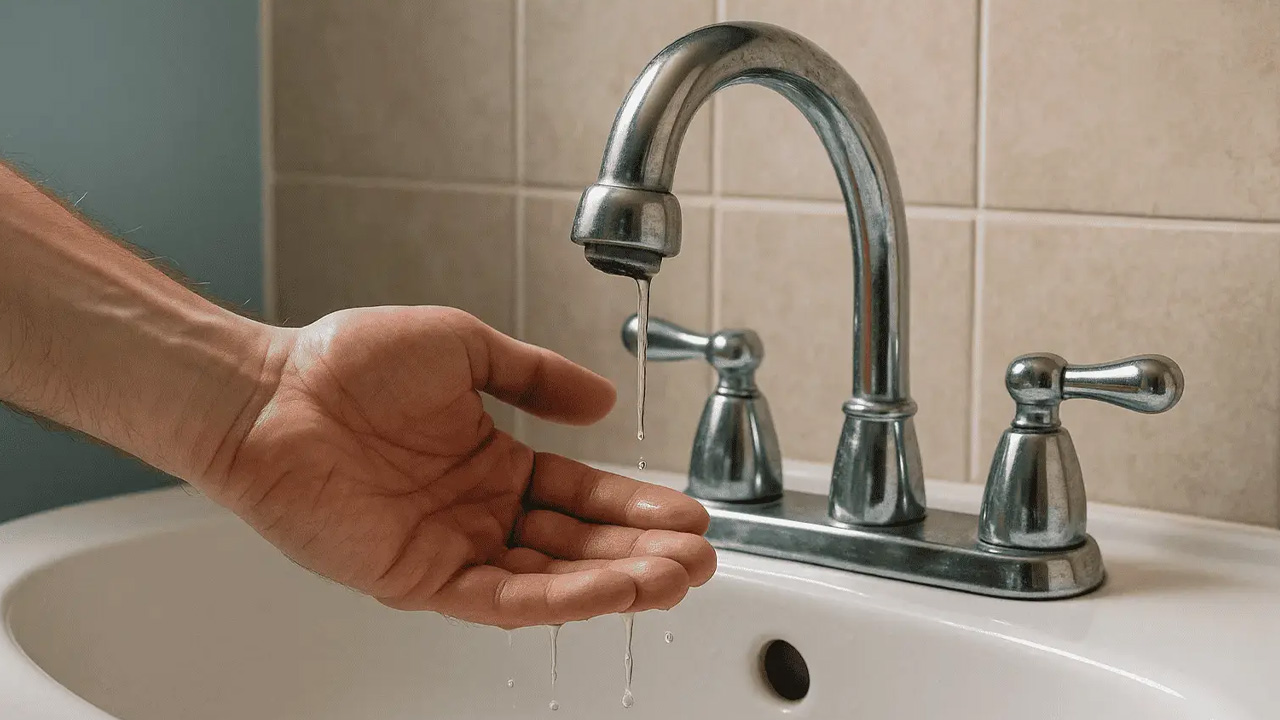
If your cold water flows strong but your hot water barely trickles out, you are not alone, this is one of the most common plumbing complaints among Ontario homeowners. Low hot water pressure can affect your morning shower, slow down dishwashing, and signal a deeper issue in your plumbing or water heating system. In this guide, we walk through the most likely causes of low hot water pressure, how to diagnose them, and when it is time to call a professional.
Is the Low Pressure Only on the Hot Side?
The first step is figuring out whether the pressure drop is isolated to hot water only, or affecting both hot and cold water at all fixtures. If cold water runs normally but hot water pressure is low, the problem lies within your hot water system, not the main supply line. Try testing a few different taps around your Ontario home to see whether the issue is limited to one fixture or happening everywhere.
Narrowing this down will point you toward the right cause:
- One fixture only: likely a clogged aerator or showerhead
- All hot water taps: likely the water heater, shutoff valve, or corroded pipes
- Both hot and cold water affected: likely a main supply or pressure regulator issue
Sediment Buildup in Your Water Heater
Sediment buildup is the most common reason for low hot water pressure in Ontario homes, especially in areas with hard water. Over time, minerals like calcium and magnesium settle at the bottom of your tank. This sediment can block the hot water outlet pipe, restrict flow, and reduce the efficiency of your water heater. If your unit is more than 8 years old and pressure has been declining gradually, this is the most likely culprit. You can learn more about choosing the right system in our water heater buyer’s guide for Ontario homeowners.
Signs sediment buildup may be your problem:
- Pressure loss affects all hot water fixtures at once
- Water heater makes popping or rumbling sounds
- Unit is more than 6–8 years old and has never been flushed
- You notice slightly discoloured hot water
Partially Closed or Faulty Shutoff Valve
Every water heater has a shutoff valve on the cold water inlet line. If this valve was accidentally bumped during maintenance or installation, or has partially seized over time, it can restrict the amount of water entering your tank, and that means lower pressure coming out. Check the valve on the cold water line leading into your water heater. It should be fully parallel to the pipe when open. If it is at any angle, open it completely and retest your hot water pressure.
This is a quick fix homeowners can often handle themselves, but if the valve is corroded or damaged, a technician should replace it. When evaluating your system, also consider venting, you can read our breakdown of power vent vs. direct vent water heaters to understand how your unit’s setup may affect overall performance.
Corroded or Scaled Pipes
In older Ontario homes, particularly those built before the 1980s, galvanized steel pipes are common. These pipes corrode from the inside over time, and that rust and mineral scale can narrow the pipe diameter significantly, restricting hot water flow. Copper and PEX pipes are less prone to this, but can still accumulate deposits in areas with particularly hard water.
If you have ruled out the water heater and valves, and your home has aging plumbing, corroded pipes may be the cause. A licensed plumber can assess your lines and recommend repiping if needed. In the meantime, our team offers professional water heater repair in Ontario to inspect the full hot water system.
Clogged Aerators and Showerheads
If the pressure problem is limited to just one faucet or shower, a clogged aerator is usually to blame. These small mesh screens on the tip of your faucets and showerheads trap mineral deposits and debris over time, which restricts water flow. This is especially common in Ontario homes with hard municipal water.
How to fix it:
- Unscrew the aerator or showerhead
- Soak it overnight in equal parts white vinegar and water
- Rinse and reinstall, pressure should improve
- If the fixture is very old, replacement may be more practical
Water Heater Sizing or Age Issues
Sometimes the issue is not a blockage or valve, it is the water heater itself. An undersized tank for your household, a failing unit over 10 years old, or a damaged dip tube can all reduce effective water pressure. The dip tube directs cold water to the bottom of the tank; if it cracks, cold water mixes at the top and disrupts flow.
Our guide on how to choose the right water heater size for your Ontario home walks through how to match your household needs to the right unit capacity.
Signs your water heater may need replacing:
- Unit is 10+ years old
- Pressure issues persist even after flushing the tank
- You see rust or corrosion on the tank exterior
- Heating is inconsistent or recovery time is very slow
When to Call a Professional in Ontario
Some causes of low hot water pressure, like a clogged aerator, are easy DIY fixes. Others, like corroded pipes, a failing pressure regulator, or a water heater past its lifespan, require a licensed professional. If you have checked the basics and pressure is still low, do not wait, small plumbing issues tend to get worse over time and can lead to water damage or a complete system failure.
If you are in the GTA or anywhere across Ontario and are dealing with low hot water pressure, our team can diagnose and resolve the issue quickly. Contact us today for expert water heater repair and maintenance services near you and get your hot water flowing properly again.