


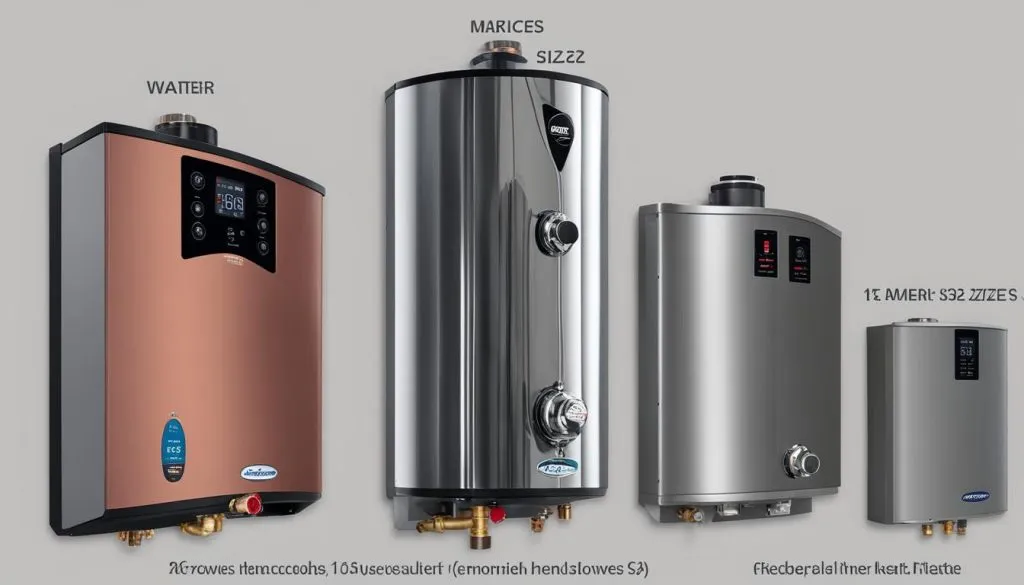
Water Heater Sizing Guide for Ontario Homeowners
Picking a water heater isn’t complicated but picking the wrong size is one of the most common mistakes Ontario homeowners make. Too small and you’re running out of hot water mid-shower. Too large and you’re paying to heat water you’re not using. This guide walks you through exactly what to look for.
Tank vs. Tankless: The First Decision
Before thinking about size, you need to decide which type makes sense for your home.
Tank water heaters store a set volume of hot water and keep it heated continuously. They’re straightforward, reliable, and less expensive upfront. The tradeoff is standby heat loss: you’re paying a small amount to keep that water hot even when nobody’s using it.
Tankless water heaters heat water on demand, only when a tap is opened. No storage, no standby loss, and a longer lifespan on average. The upside is efficiency and an endless hot water supply. The downside is a higher purchase price and, in some cases, the need for a gas line upgrade.
For most Ontario households, either works well. The choice often comes down to budget, hot water demand, and whether your home’s gas or electrical infrastructure supports tankless.
How to Size a Tank Water Heater
For tank units, size is measured in gallons of storage capacity. The right size depends primarily on how many people live in your home and your peak usage patterns.
H3: General Sizing Guide by Household
- 1–2 people: 30–40 gallon tank
- 2–3 people: 40–50 gallon tank
- 3–4 people: 50 gallon tank
- 5+ people: 60–80 gallon tank
These are starting points. If your household runs multiple showers back-to-back or does frequent large loads of laundry, size up. If usage is light, you may be fine at the lower end.
First Hour Rating (FHR) is the number that actually matters most when comparing tank models. It tells you how many gallons of hot water the unit can deliver in the first hour of heavy use. Always check FHR alongside storage capacity when comparing units. Here are some of the most popular tank models we carry, across different sizes and brands:
- GE Electric Tank Water Heater – 40 Gallon – Model CE40S08CAW
- GE Electric Tank Water Heater – 50 Gallon – Model CE50S08CAW
- Bradford White Electric Tank Water Heater – 50 Gallon – Model RE250S6
- Bradford White Electric Tank Water Heater – 80 Gallon – Model RE280T6
- AO Smith Electric Tank Water Heater – 50 Gallon – Model EPSX-50
- John Wood Electric Tank Water Heater – 80 Gallon – Model E80TE
How to Size a Tankless Water Heater
For tankless units, size is measured in GPM gallons per minute which tells you how much hot water the unit can produce continuously at a given temperature rise.
What Temperature Rise Means
Ontario’s incoming cold water sits around 5–10°C in winter. To reach a comfortable shower temperature of roughly 49°C, you’re looking at a temperature rise of 40°C or more. The colder your incoming water, the harder your tankless unit has to work which is why Canadian climates demand higher-capacity units than warmer regions.
General GPM Guide
- 1–2 fixtures running simultaneously (e.g. one shower): 6–8 GPM
- 2–3 fixtures (shower + dishwasher): 8–10 GPM
- 3+ fixtures or large household: 10+ GPM
Undersizing a tankless unit is a common mistake. If two people are showering while the dishwasher runs, a unit rated for a single fixture will struggle. When in doubt, size up.
Gas vs. Electric: Does It Affect Sizing?
Yes, in a practical sense. Gas water heaters both tank and tankless recover and heat water faster than electric models. This means a 40-gallon gas tank can often outperform a 50-gallon electric tank in terms of real-world hot water availability. If you’re replacing an electric unit with gas (or vice versa), don’t assume the same gallon or GPM rating will give you the same experience. Ask your installer how the recovery rate compares between models you’re considering.
Venting Type Matters Too
One sizing consideration that often gets overlooked is venting. Ontario homes have different venting setups, and not every water heater works in every home.
- Atmospheric vent uses natural draft through a vertical flue; common in older homes
- Power vent uses a fan to push exhaust horizontally; more flexible installation
- Direct vent draws combustion air from outside; good for tight spaces
- Electric no venting required at all
If you’re replacing an existing unit, matching the venting type keeps installation simpler and less expensive. Switching venting types is possible but adds cost.
A Few Things Worth Asking Before You Buy
Before committing to a unit, it’s worth running through these questions with your installer:
- What’s the incoming cold water temperature in my area in winter?
- Does my gas line have the capacity for a high-demand tankless unit?
- Is my current venting setup compatible, or will it need modification?
- What’s the warranty on the heat exchanger vs. the tank itself?
Getting these right the first time saves headaches and avoids a second installation visit. If you’re not sure where to start, our water heater repair and service can assess your current setup and help you figure out what fits.Still deciding between tank and tankless? Our guide on Tank vs. Tankless Water Heaters for Toronto Homes covers the full comparison in detail.