


No Hot Water? Here’s How to Troubleshoot Your Water Heater in Ontario

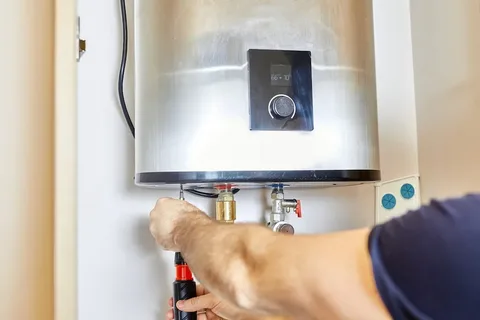
Losing hot water is one of those problems that demands immediate attention. Before calling for emergency service, the cause often depends on whether you have a gas or electric unit and whether it’s a tank or tankless system. This guide walks through the most likely causes based on your setup, what you can safely check yourself, and when the problem needs a licensed technician.
First; Confirm the Problem Is Actually Your Water Heater
Before troubleshooting the water heater itself, rule out two things:
- Is it only one fixture? If only one tap or shower runs cold, the issue is likely a mixing valve or fixture problem, not the water heater.
- Is it your whole home? If every tap runs cold, the water heater is the likely source. Check whether other gas appliances (stove, furnace) are working if you have gas, a supply interruption affects everything at once.
For Ontario homeowners with combi boilers or indirect hot water tanks, loss of hot water and loss of heat often happen simultaneously, the root cause is the heating system. If that’s your situation, book a boiler repair assessment rather than a standalone water heater call.
Gas Water Heater; Start With These Checks Before Calling a Technician
For gas tank water heaters, the most common causes of no hot water are:
- Pilot light out (older units): Locate the small window near the bottom of the tank. If there’s no small blue flame, the pilot has gone out. Follow the relighting instructions on the side of the tank. If it won’t stay lit, the thermocouple likely needs replacement.
- Gas supply interrupted: Confirm the shutoff valve behind the water heater is fully open handle parallel to the pipe. Check whether other gas appliances in the home are working.
- Gas valve failure: If the pilot is lit but the main burner won’t fire, the gas valve may have failed. This requires a licensed technician.
- Thermostat set too low: The temperature dial on the gas valve should be set between 49°C and 60°C.
Electric Water Heater; The Breaker and Reset Button Are Your First Stops
For electric tank water heaters:
- Check the circuit breaker: A tripped breaker is the most common cause of a completely dead electric unit. Flip it fully off then back on. If it trips again immediately, there’s an electrical fault, call a technician and don’t keep resetting.
- Reset the high-limit switch: Behind the top access panel is a red reset button. If the tank overheated and triggered the safety shutoff, pressing this may restore operation. If it trips repeatedly, the thermostat needs replacement.
- Failed heating element: Electric tanks have two heating elements upper and lower. A failed lower element is the most common cause of water that heats slowly or runs out faster than normal. Element replacement requires a licensed technician.
You can browse available water heater models if your unit is aging and component failures are becoming frequent.
Tankless Water Heater; Error Codes Tell You Where to Start
Tankless water heaters heat on demand rather than storing hot water, so failures present differently:
- Error codes: Most modern tankless units, Navien, Rinnai, and others,display error codes when something goes wrong. Note the code before calling a technician; it significantly speeds up diagnosis and often points to a specific component.
- No ignition: If the unit isn’t firing when hot water is demanded, check the gas supply first, then confirm the unit hasn’t locked out after a fault.
- Scale buildup: In hard-water areas across the GTA, mineral scale builds up inside the heat exchanger over time, reducing output or causing shutdowns. Annual descaling prevents this.
- Venting blockage: A blocked intake or exhaust vent,from debris, a bird nest, or ice in winter,causes the unit to shut down as a safety measure.
If your tankless unit is showing error codes or has stopped working after previously running normally, water heater repair services can diagnose and resolve most issues same-day.
Sediment Buildup,A Slow Cause That Can Become a Complete Failure
Sediment accumulates at the bottom of tank water heaters over time from the mineral content in Ontario’s water supply. Heavy buildup reduces heating efficiency, creates popping and rumbling sounds, and can eventually insulate the burner or element enough to cause total heating failure.
Annual tank flushing helps prevent this. If your tank is more than five years old and has never been flushed, sediment may be contributing to the problem. For more on warning signs that a unit is approaching end of life, 6 signs it’s time to replace your water heater covers the key indicators.
Some Water Heater Problems Fix Themselves; Most Don’t
The checks in this guide cover the most common causes of no hot water, and some of them genuinely resolve without a service call. A tripped breaker, a pilot that needs relighting, a thermostat dial that got bumped, these are real fixes that take minutes.
But if you’ve worked through the basics and the unit still isn’t producing hot water, the problem is inside the system and won’t improve on its own. The same goes for anything involving gas supply, standing water around the tank, or discoloured hot water, those aren’t troubleshooting situations, they’re service calls. Contact HVAC Near Me for a water heater assessment and we’ll diagnose the issue and tell you whether repair or replacement makes more sense for your home.