


Why Is My Heat Pump Not Cooling in Summer? Common Causes and Fixes

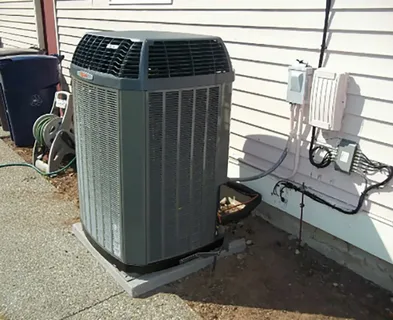
If your heat pump is running but your home still feels warm and stuffy, you are not imagining it, this is one of the most common HVAC complaints Toronto homeowners face during summer. A heat pump should cool your home just as effectively as a traditional air conditioner, so when it falls short, something in the system is not working properly. This guide walks you through the most common reasons a heat pump stops cooling in summer and what you can do about each one.
How a Heat Pump Cools Your Home in Summer
Before troubleshooting, it helps to understand what your heat pump is supposed to do. In cooling mode, a heat pump works exactly like an air conditioner: it pulls heat from inside your home and releases it outdoors through refrigerant-filled coils. A component called the reversing valve controls which direction the refrigerant flows, switching the system between heating in winter and cooling in summer. When any part of this cycle breaks down, you end up with warm air coming from your vents instead of cool air.
If you want to understand how this compares to a traditional AC, our guide on heat pump vs AC efficiency for Ontario homes breaks down the differences clearly.
Dirty or Clogged Air Filter
A clogged air filter is the number one cause of heat pump cooling problems, and the easiest to fix yourself. When the filter is blocked with dust and debris, airflow is restricted, which means the system cannot move enough air across the evaporator coil. The result: your home stays warm, the unit works harder than it should, and in some cases the coil can actually freeze over.
What to do:
- Check your air filter, it should be replaced every 1–3 months
- Hold it up to the light; if you cannot see through it, it needs replacing
- Use a filter with the correct MERV rating for your system (check your manual)
- After replacing, run the system for 30 minutes and check if cooling improves
Thermostat Set to the Wrong Mode
This is the simplest fix and easy to overlook. If your thermostat was switched to “heat” mode or left on “fan only,” the heat pump will run but blow warm or room-temperature air, not cool air. In Toronto, where temperatures can swing significantly between seasons, thermostat mode errors are surprisingly common.
Check these settings first:
- Mode should be set to “Cool”, not “Heat” or “Fan Only”
- Set temperature should be at least 2–3°C below the current room temperature
- Fan setting should be on “Auto”, not “On” (which runs the fan continuously without cooling)
If your thermostat settings look correct but the system is still not cooling, move to the causes below. Our team provides professional heat pump repair across the GTA if you need a technician to diagnose the issue.
Low Refrigerant or a Refrigerant Leak
Refrigerant is the substance that carries heat out of your home. If the refrigerant level is low, usually because of a leak in the system, your heat pump cannot absorb enough heat to cool your home effectively. You may notice the system runs for long cycles without reaching the set temperature, or that airflow feels weak even with a clean filter
Signs of low refrigerant:
- Warm air from vents despite the system running normally
- Ice forming on the indoor or outdoor coil
- Hissing or bubbling sounds near the unit
- Higher than usual electricity bills
Refrigerant issues must be handled by a licensed HVAC technician, it is not a DIY fix. To understand how your system is designed to handle both seasons, read our breakdown of how heat pumps work in cold weather in Canada, which also explains the refrigerant cycle in detail.
Blocked or Dirty Outdoor Unit
The outdoor unit of your heat pump is where heat is released to the outside air. If it is blocked by leaves, grass, or debris, or if the coil is heavily soiled, the unit cannot release heat efficiently. This causes the system to struggle, especially on hot Toronto summer days when outdoor temperatures are already high.
How to check and clean your outdoor unit:
- Turn off the system before inspecting
- Clear any leaves, grass clippings, or debris from around the unit
- Leave at least 60 cm of clearance on all sides
- Gently rinse the coil fins with a garden hose, top to bottom
- Do not use a pressure washer; it can bend the fins
If the outdoor coil looks severely clogged or damaged, a technician should inspect it. Explore our heat pump maintenance plans in Ontario to keep your system clean and running at peak efficiency all summer long.
Faulty Reversing Valve
The reversing valve is what allows your heat pump to switch between heating and cooling mode. If this valve fails or gets stuck, the system may run in the wrong mode, heating your home when it should be cooling it, or producing only lukewarm air in either direction. A faulty reversing valve is not something you can diagnose or fix yourself; it requires a trained technician with the right equipment.
Signs the reversing valve may be the problem:
- System blows warm air in summer even after checking all other causes
- Unit performs normally in winter but loses cooling ability in summer (or vice versa)
- You hear a clicking or hissing noise when the mode is switched
Frozen Evaporator Coil
If warm air is coming from your vents and you notice frost or ice forming on the indoor unit or refrigerant lines, a frozen evaporator coil may be the culprit. This usually happens due to restricted airflow (dirty filter, blocked vents) or low refrigerant. When the coil freezes, heat exchange stops and the system blows warm air.
What to do immediately:
- Turn the system off and switch the fan to “On” to melt the ice, allow 2–4 hours
- Check and replace the air filter before restarting
- Make sure all supply and return vents are open and unblocked
- If the coil refreezes after restarting, call a technician, the cause is likely low refrigerant
When to Call a Professional in Toronto
Some heat pump cooling issues, like a dirty filter or wrong thermostat settings, are easy to fix at home. Others, like refrigerant leaks, a faulty reversing valve, or electrical problems, require a licensed HVAC technician. If you have worked through the steps above and your heat pump is still not cooling properly, do not run the system in a failed state, it can cause further damage to the compressor.
If you are in Toronto or anywhere in the GTA and need fast, reliable help, contact us today for expert heat pump repair and service near you and get your home cool again before the next heat wave.