


How Much Does a Boiler Cost in Ontario? What Homeowners Should Know in 2026

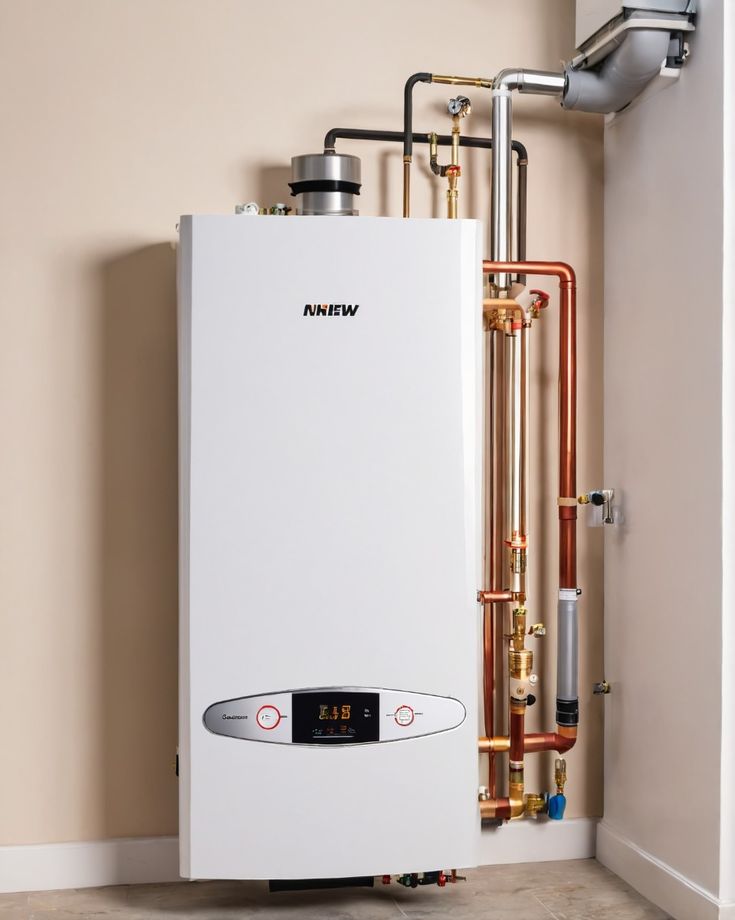
If you’re replacing a boiler in the GTA or anywhere across Ontario, the first question most homeowners ask is: what’s this going to cost? The honest answer is that boiler installation isn’t one-size-fits-all,the final number depends on several factors that vary significantly from home to home. This guide breaks down what drives the cost, what the realistic ranges look like for 2026, and what to watch for when getting quotes.
What Does Boiler Installation Actually Cost in Ontario in 2026?
Based on current 2026 GTA contractor pricing, most Ontario homeowners pay somewhere between $5,500 and $15,000 for a complete boiler installation,unit, labour, permits, and standard venting included. Simple heat-only replacements in existing hydronic systems tend to sit at the lower end. Combi boiler installations, multi-zone radiant systems, and jobs requiring significant pipework or chimney liner replacements push toward the higher end.
These are ranges, not quotes. The only way to get an accurate number for your home is a site assessment,home layout, existing system condition, and venting configuration all affect the final cost. You can request a quote to get a number specific to your situation.
The Type of Boiler You Choose Has the Biggest Impact on Cost
Not all boilers are priced the same. The three main residential types available in Ontario each come in at different tiers:
- Heat-only boilers: The simpler option,heats your home but doesn’t provide domestic hot water. Lower unit cost, works well when you already have a separate water heater.
- Combi boilers: Combines space heating and on-demand hot water in one unit. Higher upfront cost than heat-only, but eliminates the need for a separate water heater,which can offset part of the investment.
- System boilers: Works with a separate hot water cylinder. Less common in new Toronto installs but still found in older homes.
If you’re weighing combi vs. heat-only, the Navien combi boiler lifespan guide is a useful reference on what to expect from a combi system over time. You can also browse available boiler models to compare what’s in stock.
Installation Complexity Is the Second Biggest Cost Driver
A straightforward like-for-like replacement,same boiler type, same venting path, no major pipework changes,is the least expensive scenario. Costs climb when the job involves:
- Venting changes: Older non-condensing boilers vent through a chimney. New high-efficiency condensing units (95%+ AFUE) vent through PVC sidewall pipes. If you’re upgrading from an older system, your installer will decommission the chimney connection and run new PVC intake and exhaust,this adds labour and materials.
- Chimney liner replacement: If the existing chimney is being reused (less common with new condensing installs), a liner replacement may be required to meet current code.
- Pipework modifications: Adding zones, replacing old radiators, or reconfiguring hydronic distribution adds time and cost.
- Permits and inspections: Required for all gas appliance installations in Ontario under TSSA regulations. Factor this into the budget,most reputable contractors include it in their quote.
Efficiency Rating Affects Upfront Cost But Impacts Long-Term Running Costs
All new residential gas boilers installed in Ontario must meet a minimum efficiency standard. High-efficiency condensing models (95%+ AFUE) are now the norm for new installations. Non-condensing units (around 80% AFUE) are less common for new installs and may face venting and permitting constraints in many Ontario jurisdictions.
The practical difference: a condensing boiler extracts more heat from combustion gases, uses PVC sidewall venting, and produces condensate that drains away,all of which make it more efficient but also more complex to install than the older atmospheric units. The higher efficiency means lower annual gas consumption, though the payback period depends on your existing system’s efficiency and your home’s heating load.
What’s Typically Included in a Boiler Installation Quote
When comparing quotes from Ontario contractors, make sure you’re comparing the same scope. A complete boiler installation should include:
- The boiler unit itself
- Labour for installation and commissioning
- Removal and disposal of the old unit
- New venting (PVC intake and exhaust for condensing units)
- Condensate drain connection
- Required permits and TSSA inspection
- Warranty registration
Labour-only quotes or unit-only pricing can make a job look cheaper than it is. Always confirm what’s included before accepting. If you’re not sure whether to repair or replace your current system, boiler repair services can help you assess the condition of your existing unit before committing to a full replacement.
Summer Is the Best Time to Replace a Boiler in Ontario,Here’s Why
Most Ontario homeowners replace their boiler in the fall or during a winter breakdown,the worst possible time. Contractor availability is lowest, lead times are longest, and emergency replacements rarely leave room for comparing options.
Replacing in summer means shorter wait times, better contractor availability, and more time to assess your options properly. If your boiler is more than 15 years old or has had two or more repairs in recent seasons, planning a replacement before the next heating season is the more cost-effective path. Read our boiler installation guide for Ontario homeowners for a full breakdown of what to expect from the process. When you’re ready to get a quote, contact HVAC Near Me,we install Navien, Viessmann, Bosch, and Rinnai systems across the GTA.