


What Temperature Should I Set My Thermostat in Summer and Winter?

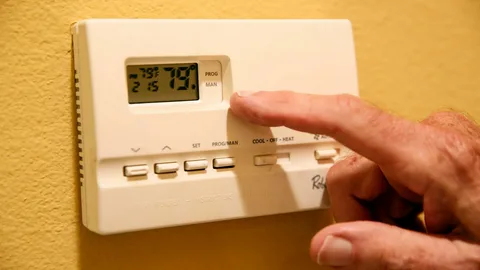
It’s one of the most common questions Ontario homeowners have, and the answer directly affects both your comfort and your energy bills. Set it too aggressively and you’ll pay more than you need to; set it wrong for the season and your system works harder than it should. This guide covers the recommended thermostat settings for summer and winter, backed by Natural Resources Canada guidance, plus how to adjust them for the best balance of comfort and savings.
What Temperature Should You Set Your Thermostat in Summer?
For summer cooling, Natural Resources Canada recommends setting your thermostat to 25°C (about 78°F) when you’re home and awake. This is the balance point between comfort and energy efficiency for most Ontario homes.
Here’s why it matters: every degree you set below 25°C can increase your cooling costs by roughly 3–5%. Dropping the thermostat to 21°C on a hot day might feel great, but it can significantly raise your summer hydro bill. Recommended summer settings:
- Home and awake: 25°C (25.5°C for maximum efficiency)
- Away from home: 28°C or higher
- Sleeping: 24–25°C, adjusted for comfort
If you’d like more ways to keep costs down during peak season, how to reduce your home’s cooling costs covers practical adjustments beyond thermostat settings.
What Temperature Should You Set Your Thermostat in Winter?
For winter heating, Natural Resources Canada recommends 20°C when you’re awake and at home, and lowering it to around 17°C when you’re asleep or away. Recommended winter settings:
- Home and awake: 20°C (comfortable range: 20–22°C)
- Sleeping or away: 17°C
Lowering your thermostat by 2–3°C during sleep and away periods is one of the most effective ways to reduce heating costs over an Ontario winter. A good approach is to start the season slightly warmer, then gradually reduce the setting week by week until you find the lowest comfortable temperature, your body adjusts, and the savings add up.
Why Small Adjustments Make a Big Difference
The reason these setbacks work comes down to how much energy heating and cooling actually use. Your HVAC system is the single largest energy consumer in most Ontario homes, so even a few degrees of adjustment over months of use translates into meaningful savings.
- Setting back the temperature while you sleep or are away reduces runtime without affecting your comfort during the hours you’re actually home
- Consistent, gradual adjustments are more effective than large swings, which force the system to work hard to catch back up
- Managing humidity in summer lets you feel comfortable at a higher temperature, since drier air feels cooler
A properly maintained system holds these settings more efficiently. If yours is struggling to reach the set temperature, air conditioner repair services or a furnace inspection can identify what’s going on.
How a Smart Thermostat Makes This Easier
Manually adjusting your thermostat several times a day isn’t realistic for most people, which is exactly why setback schedules often don’t get used. A programmable or smart thermostat automates the whole process.
Smart thermostats let you schedule temperature changes around your daily routine, adjust settings remotely from your phone, and, on many models, learn your patterns automatically. Some use occupancy sensors to set back the temperature when you leave and warm or cool the home before you return. ENERGY STAR certified smart thermostats are designed specifically to capture these savings without any daily effort on your part.
If you’re comparing options, Lennox S40 vs Ecobee vs Nest breaks down the leading smart thermostats for GTA homes. You can also browse available thermostat models to see what fits your system.
Adjusting for Your Home and Household
The recommended settings are starting points, not strict rules. A few factors that affect what works best for your home:
- Insulation quality: Well-insulated homes hold temperature longer and tolerate deeper setbacks
- Humidity: High summer humidity makes the air feel warmer, so managing moisture lets you stay comfortable at 25°C
- Household needs: Homes with infants, elderly residents, or anyone with health conditions may need more consistent temperatures
- Sun exposure: South and west-facing rooms gain more heat in summer and may need more cooling
The goal is to find the most efficient setting that still keeps your household comfortable, then let a smart thermostat maintain it automatically.
When Should You Call an HVAC Professional?
Your thermostat settings only work if your system can actually hold them. Call a licensed technician if you notice:
- Your home won’t reach the set temperature no matter how the thermostat is adjusted
- Some rooms are consistently warmer or colder than where the thermostat is located
- The system short-cycles, turning on and off frequently without maintaining temperature
- Energy bills have climbed even though your settings haven’t changed
- The thermostat display is blank, unresponsive, or showing error codes
If your system isn’t holding the temperatures it should, the thermostat settings won’t fix an underlying equipment issue. Contact HVAC Near Me for a system assessment across Ontario.