


Boiler Installation Guide: What Ontario Homeowners Should Know Before Upgrading Their Heating System

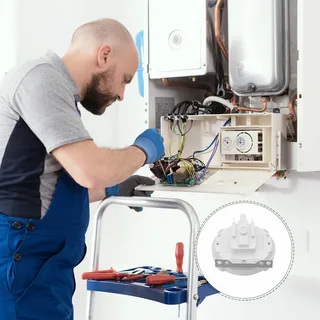
Upgrading your home’s heating system is a major decision, one that can affect comfort, efficiency, and energy costs for years to come. In Ontario, many homeowners are turning to modern boiler systems for their ability to provide steady, even warmth and long-term performance.
But before scheduling your installation, there are a few important things to know. From understanding the different boiler types to preparing your home for installation day, this guide covers everything you should consider before investing in a new system.
1. Understand How Boilers Work
Unlike forced-air furnaces that blow warm air through ducts, boilers heat water and circulate it through radiators or in-floor systems. The result is a consistent, gentle heat that doesn’t dry out the air, ideal for Ontario’s cold and dry winters.
Modern boilers can also be connected to indirect water heaters, allowing them to provide both space heating and domestic hot water. Understanding this versatility helps you choose a system that matches your home’s layout and lifestyle needs.
2. Know the Different Types of Boilers
Boilers come in several types, and selecting the right one depends on your home size, insulation, and existing infrastructure. The three most common models for Ontario homes include:
- Conventional (Regular) Boilers: Ideal for larger homes with existing radiators and separate hot water tanks.
- Combi Boilers (Combination Units): Provide both heating and hot water directly from the boiler, great for smaller homes or condos without much storage space.
- System Boilers: Include built-in components for faster installation and better efficiency, often used in homes with multiple bathrooms.
Each type has advantages depending on your space, water demand, and energy efficiency goals.
3. Gas vs. Electric Boilers in Ontario
Fuel type plays a major role in both installation and operating costs. In most Ontario homes, natural gas boilers are the standard choice due to their efficiency and lower long-term energy costs. However, electric boilers are gaining popularity as a cleaner, low-maintenance option, especially in areas without access to gas lines or for homeowners prioritizing lower carbon emissions.
While electric boilers are typically more expensive to operate due to electricity rates, they require less servicing and can be ideal for smaller homes or cottages.
If you’re unsure which type is best for your household, an HVAC professional can assess your energy usage and recommend the most cost-effective setup.
4. Check Your Home’s Infrastructure and Space
Before installation, make sure your home’s current heating system and space can accommodate the new boiler. This includes checking:
- Existing piping and radiators for leaks or corrosion
- Ventilation requirements, especially for gas boilers
- Space availability for the boiler unit and any additional tanks
Older homes may need minor upgrades to plumbing or venting systems to meet modern safety and energy standards. Preparing your space in advance can save time and prevent unexpected installation delays.
5. Consider Energy Efficiency Ratings
When choosing a new boiler, efficiency should be a top priority. In Canada, boiler efficiency is measured by the AFUE (Annual Fuel Utilization Efficiency) rating, the higher the percentage, the more heat you get from each unit of energy.
Modern high-efficiency boilers often achieve AFUE ratings of 90–98%, using condensing technology to recover heat from exhaust gases that older models would waste. Though these systems cost more upfront, they significantly lower your heating bills and carbon footprint over time.
Selecting an ENERGY STAR® certified boiler ensures compliance with Canadian energy efficiency standards and may qualify you for provincial rebates.
6. Plan for Proper Sizing and System Design
A boiler that’s too large will cycle on and off frequently, wasting energy and causing uneven temperatures. One that’s too small will struggle to meet your heating demands.
Professional installers calculate your home’s heating load based on insulation levels, window type, and floor area to determine the right boiler capacity. This sizing process ensures the system runs efficiently, quietly, and consistently throughout Ontario’s long winters.
Skipping this step can lead to higher costs and premature wear, so make sure your installer performs a detailed home assessment before finalizing the equipment choice.
7. Maintenance After Installation
Your relationship with your boiler doesn’t end once it’s installed. Like any heating system, regular maintenance is key to keeping it efficient and safe.
Annual servicing should include inspection of key components like heat exchangers, pressure levels, and safety controls. Technicians will also clean the burner, check for leaks, and ensure the system is operating within manufacturer guidelines.
Proper maintenance not only extends your boiler’s lifespan but also helps detect potential issues early, saving you from costly repairs down the road.
8. Installation Preparation Checklist
Before your installation date, take a few steps to make the process smoother:
- Clear the installation area of stored items or obstructions
- Ensure technicians have access to electrical panels and water shut-off valves
- Discuss venting routes and thermostat placement in advance
- Confirm whether old equipment needs removal or disposal
These small preparations make the installation process faster, safer, and more efficient, minimizing disruption to your home.
9. Cost and Long-Term Value Considerations
While boiler installation involves an upfront investment, modern systems are designed for long-term savings. Their superior efficiency, quiet operation, and compatibility with renewable energy systems (like solar or heat pumps) make them a smart choice for the future.
Beyond lower utility bills, an upgraded boiler can improve home value and comfort, especially when installed by certified professionals who ensure compliance with Ontario’s safety and energy codes.
When to Call the Experts
Installing a new boiler isn’t a DIY project. It requires careful planning, licensed installation, and knowledge of local building requirements.
At HVAC Near Me, our certified technicians provide professional boiler installation services across Ontario, helping homeowners choose the right system for their space, budget, and energy goals. We also offer maintenance and support to ensure your system performs efficiently year after year.
If you’re planning to replace or upgrade your home heating system, you can explore our boiler selection and installation options or contact us for expert guidance before your installation.