


1-Stage vs 2-Stage vs Modulating Furnace: Which One Is Right for Your Ontario Home?

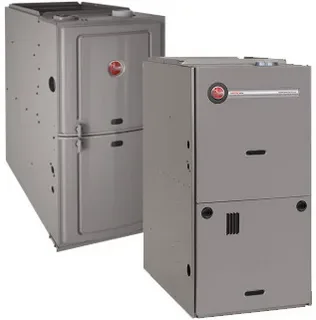
When you start shopping for a new furnace, one of the first things you’ll notice is that models are described as 1-stage, 2-stage, or modulating. Most homeowners aren’t sure what the difference actually means or whether it’s worth paying more for. This guide breaks it down clearly.
What “Stages” Actually Means
The stage of a furnace refers to how many output levels the burner operates at. It has nothing to do with size or BTU capacity; a 1-stage and a 2-stage furnace can have identical BTU ratings. The difference is in how they deliver that heat. Think of it like a car accelerator. A 1-stage furnace is either fully on or fully off. A 2-stage furnace has a low gear and a high gear. A modulating furnace has a full range of speeds and adjusts continuously.
1-Stage Furnaces
A 1-stage (or single-stage) furnace operates at 100% capacity every time it runs. When the thermostat calls for heat, the burner fires at full power. When the target temperature is reached, it shuts off completely.
The upside: Simplicity. Fewer components, lower upfront cost, easier to service.
The downside: Because it always fires at full blast, it tends to heat the home in short, intense bursts then shut off. This can create noticeable temperature swings and means the furnace cycles on and off more frequently, which adds wear over time.
For smaller homes, well-insulated spaces, or milder climates, a 1-stage unit can be entirely adequate. In Ontario’s winters, though, the limitations become more apparent.
2-Stage Furnaces
A 2-stage furnace has two firing levels typically around 65–70% capacity on the first stage, and 100% on the second. On most days, the furnace runs on the lower stage. It only ramps up to full capacity when the temperature drops significantly or the home needs a larger heat boost.
The upside: More consistent temperatures, quieter operation, better humidity control, and lower gas consumption on mild days. The longer, lower-intensity run cycles also distribute heat more evenly through the home.
The downside: More components than a 1-stage unit, higher upfront cost, and slightly more complexity in servicing.
For most Ontario homeowners, a 2-stage furnace is the sweet spot meaningfully better performance than a 1-stage without the premium of a modulating unit. Here are some of the 2-stage models we carry:
- Trane Gas Furnace – 60,000 BTU – 2 Stages – Model S9V2
- Trane Gas Furnace – 80,000 BTU – 2 Stages – Model S9V2
- Trane Gas Furnace – 100,000 BTU – 2 Stages – Model S9V2
- Trane Gas Furnace – 120,000 BTU – 2 Stages – Model S9V2
Modulating Furnaces
A modulating furnace takes the concept of variable output to its logical conclusion. Instead of two fixed stages, it adjusts its firing rate continuously anywhere from around 40% up to 100% to precisely match the heat your home needs at any given moment.
The upside: The most consistent temperatures of any furnace type, the quietest operation, the best efficiency on mild days, and the smoothest humidity control. On a cold but not brutal Ontario day, a modulating furnace might run at 55% capacity for hours, keeping the home at an absolutely steady temperature.
The downside: Higher upfront cost and more sophisticated components. If something does go wrong, repairs can be more involved than a simpler 1-stage unit.
Modulating furnaces make the most sense for larger homes, homeowners who prioritize comfort and efficiency, or anyone planning to stay in their home long enough to recoup the investment through energy savings. These are the modulating models we carry:
- Trane Gas Furnace – 60,000 BTU – Modulating – Model XC95
- Trane Gas Furnace – 80,000 BTU – Modulating – Model XC95
- Trane Gas Furnace – 100,000 BTU – Modulating – Model XC95
- Trane Gas Furnace – 120,000 BTU – Modulating – Model XC95
How They Compare Side by Side
| Feature | 1-Stage | 2-Stage | Modulating |
| Upfront cost | Lower | Mid | Higher |
| Temperature consistency | Good | Better | Best |
| Efficiency on mild days | Lower | Better | Best |
| Noise level | Higher | Lower | Lowest |
| Simplicity / serviceability | Highest | Mid | More complex |
| Best for | Smaller homes, tight budgets | Most Ontario homes | Larger homes, comfort-focused |
Does AFUE Rating Change by Stage?
Not directly. AFUE (Annual Fuel Utilization Efficiency) measures how efficiently a furnace converts gas to heat and you’ll find high-AFUE models across all three types. A 96% AFUE 1-stage furnace and a 96% AFUE modulating furnace both waste only 4% of fuel.
Where modulating furnaces gain an efficiency edge in real-world use is through part-load efficiency running at lower capacity on mild days uses less gas than a 1-stage cycling on and off at full power. AFUE alone doesn’t capture this, which is why modulating units often outperform their rated efficiency in practice.
Which One Should You Choose?
Here’s a simple way to think about it:
Choose 1-stage if you have a smaller home, a limited budget, or you’re replacing an older unit and just need reliable heat without extra complexity.
Choose 2-stage if you want noticeably better comfort and efficiency without paying the full premium for modulating this is the right choice for most Ontario homes.
Choose modulating if you have a larger home, prioritize consistent temperatures and quiet operation, and plan to stay in your home long enough to benefit from the efficiency gains.
If you’re not sure which fits your home’s size and layout, our team can help you work through it. You can also browse our full furnace lineup or get in touch through our furnace repair and installation to talk through your options.
Not sure what BTU size your home needs? Our Furnace Size Guide for GTA Homes walks you through how to match heating capacity to your square footage before you decide on a stage type.