


Why Is My Hydro Bill So High This Summer? (And What Your HVAC Has to Do With It)

A spike in your Ontario hydro bill during summer is frustrating especially when it feels like you haven’t changed your habits. The truth is, your HVAC system is almost always the biggest driver of summer energy costs, and a struggling air conditioner can quietly add hundreds of dollars to your bills without ever completely stopping. This article covers the most common HVAC-related causes of high hydro bills in the GTA and what you can do to fix each one.
High Hydro Bill This Summer? Your AC Is Likely the Cause
Air conditioning accounts for 30–50% of a typical Ontario home’s electricity use in summer. When that system runs inefficiently due to a dirty filter, low refrigerant, or an aging compressor it draws more power to deliver the same (or less) cooling. The meter keeps spinning even when the system seems to be working fine.
Our team provides professional AC repair and tune-up services to help you identify efficiency problems before they become expensive ones.
Top Reasons Your Hydro Bill Spikes in Summer
1. Dirty Air Filter
A clogged filter forces your AC to work harder to pull air through the system. This increases run time and power draw significantly. Replace standard filters every 1–3 months during the active cooling season.
2. Low Refrigerant from a Leak
A slow refrigerant leak reduces your system’s cooling capacity, causing it to run almost continuously to reach your set temperature. You’ll feel less cooling and see a higher bill simultaneously.
3. Dirty Condenser Coils
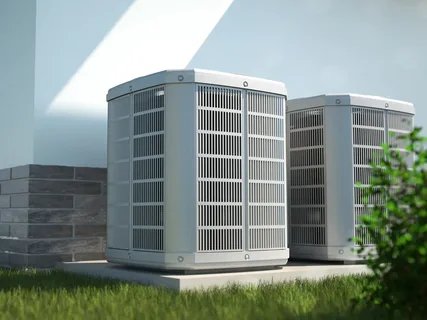
The outdoor unit releases heat from your home. If its coils are coated with debris, it can’t expel heat efficiently, raising power consumption. An annual coil cleaning is part of a proper maintenance plan.
4. Aging, Inefficient Equipment
An AC unit that’s 10–15 years old operates at a fraction of the efficiency of today’s models. Modern systems rated using SEER2 older units often perform far below current minimum standards.
You can learn more about when aging equipment starts costing more than it’s worth in our guide on how long air conditioners last in Canada and when to replace them.
Other HVAC Factors That Raise Your Summer Hydro Bill
- Thermostat set too low every degree below 24°C increases energy use by roughly 3–5%
- Air leaks around doors and windows making the AC work overtime
- Uninsulated attic space turning your home into an oven
- Ductwork leaks losing 20–30% of conditioned air before it reaches rooms
- Running the fan on ON instead of AUTO it circulates uncooled air continuously
How to Reduce a High Hydro Bill Without Replacing Your AC
- Replace your air filter and clean the outdoor unit
- Set the thermostat to 24–26°C and use ceiling fans to feel cooler
- Schedule a professional tune-up to check refrigerant levels and coil condition
- Seal visible air gaps around windows and exterior doors with weatherstripping
- Upgrade to a programmable or smart thermostat to avoid cooling empty rooms
For more detailed tips, see our AC maintenance checklist for Ontario homeowners, many of these fixes take under an hour.
When a High Hydro Bill Means It’s Time to Upgrade
If your energy bills are consistently high despite maintenance, and your system is more than 10 years old, the math often favours replacement. A modern high-efficiency AC can reduce cooling energy costs by 30–50% compared to an older unit.
Browse our energy-efficient air conditioners available across the GTA to find options that qualify for Ontario rebates and pay for themselves over time.
If your hydro bill is climbing and you’re not sure why, our licensed technicians are ready to help book an AC diagnostic today and find out exactly what’s driving your energy costs.