


Water Heater Leaking Water? Here’s What You Need to Know and Do First

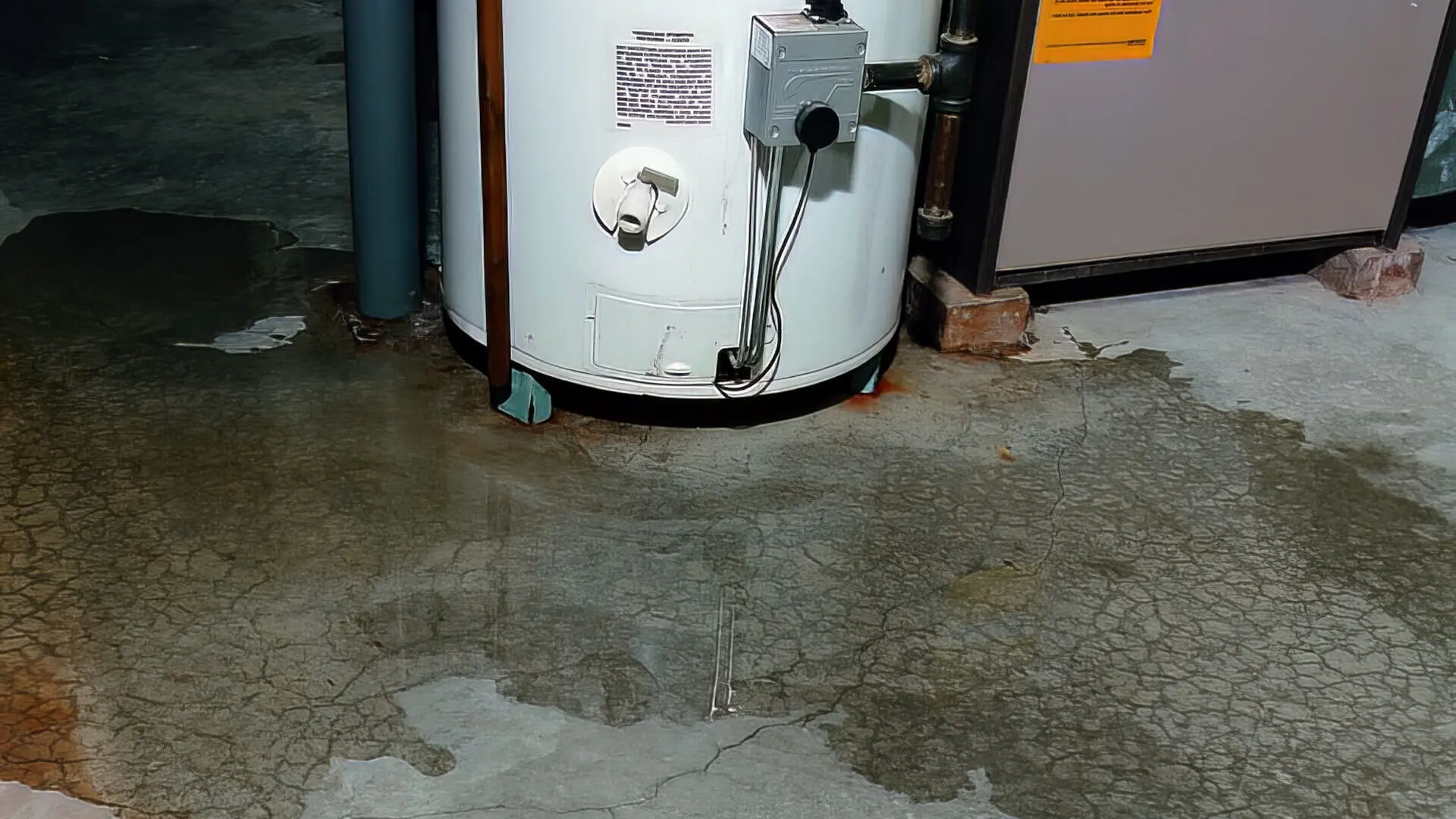
A leaking water heater is one of those problems that demands immediate attention, but not every leak means the same thing. Some are minor issues that a technician can fix in an hour. Others are signs the tank has failed and needs to be replaced before it causes serious water damage to your home. Knowing the difference helps you respond the right way, especially in an Ontario home where a leaking tank can go unnoticed for days in a basement utility room.
First Step, Locate Where the Leak Is Coming From
Before calling anyone, try to identify where the water is coming from. The location of the leak tells you a lot about severity:
- Top of the tank: Usually a loose inlet or outlet connection, or a failing pressure relief valve inlet. Often fixable without replacing the unit.
- Bottom of the tank: Water pooling beneath the tank is often a sign the tank itself has corroded from the inside. In most cases this means replacement, not repair.
- From the T&P (temperature and pressure relief) valve: A dripping T&P valve means pressure or temperature inside the tank is exceeding safe limits. This requires immediate attention, do not ignore it or cap it off.
- From the drain valve: A slow drip from the drain valve at the bottom of the tank is often a worn valve seat and may be repairable.
If you can’t identify the source or water is pooling quickly, shut off the cold water supply to the tank and call a technician. You can book a water heater repair assessment the same day in most GTA areas.
A Dripping T&P Valve Is Not a Minor Issue
The temperature and pressure relief valve is a mandatory safety device on every residential water heater. It opens automatically if the internal temperature or pressure reaches unsafe levels. A valve that drips occasionally during heating cycles may indicate normal thermal expansion, but one that runs continuously is telling you something is wrong with the system, not the valve itself.
Common causes include a missing or failed expansion tank (especially in closed plumbing systems with backflow preventers), a thermostat set too high, or a failing heating element cycling abnormally. Replacing the T&P valve without addressing the root cause won’t fix the problem. This is a job for a licensed technician, never cap or plug a T&P valve under any circumstances.
Bottom Leaks Usually Mean the Tank Has Failed
Water leaking from the base of the tank, not from fittings or valves, but from the tank body itself, almost always means internal corrosion has compromised the tank wall. Tank water heaters corrode from the inside out over time, accelerated by sediment buildup and hard water mineral deposits common in the Ontario water supply.
Once a tank is leaking from the body, repair isn’t an option. The longer you wait, the more water damage accumulates. If your unit is more than 8–10 years old and leaking from the bottom, start the replacement process rather than waiting for a full failure. If you’re unsure whether your unit is close to end of life, 6 signs it’s time to replace your water heater covers the key indicators. You can also browse available water heater models to see what’s in stock.
What to Do While You Wait for a Technician
If the leak is slow and coming from a fitting or valve rather than the tank body, you can manage the situation safely while waiting for a service call:
- Turn the cold water supply valve (typically above the tank) clockwise to shut off water flow to the heater
- If you have a gas unit, set the thermostat to “pilot”, don’t fully shut off the gas unless the leak is severe
- For electric units, turn off the circuit breaker for the water heater
- Place towels or a container under the leak to prevent floor damage
- Don’t attempt to tighten fittings on a pressurized tank yourself, wait for a licensed technician
If water is flowing heavily, shut off the main water supply to the house and call immediately.
Tankless Water Heaters Can Leak Too, Different Causes
Tankless water heaters don’t have a storage tank to corrode, but they can still develop leaks, typically from:
- Loose inlet or outlet connections after installation
- A cracked heat exchanger (less common, but serious)
- Condensate drainage issues on high-efficiency condensing models
- Scale buildup in hard-water areas causing internal pressure to fluctuate
If your tankless unit is leaking, the diagnostic approach is similar, locate the source before assuming the worst. Most tankless leaks are connection issues that a technician can fix without replacing the unit. If you’ve been wondering whether your current setup still makes sense, why does my hot water run out so fast helps identify whether the issue is a leak, capacity, or something else entirely.
Repair or Replace, How to Decide
Not every leak means you need a new water heater, but some do. A few factors that guide the decision:
- Age: Tank water heaters typically last 10–12 years. If yours is approaching or past that range and leaking, replacement is usually more cost-effective than repair.
- Location of the leak: Fittings and valves are repairable. A leaking tank body is not.
- Repair history: If you’ve had multiple repairs in the past two years, the unit is likely approaching end of life regardless of the current issue.
- Tank condition: Significant rust staining around the base or on the anode rod (checked during service) is a sign of advanced internal corrosion.
A licensed technician can give you a clear assessment on-site. Contact HVAC Near Me for a same-day water heater inspection, we service tank and tankless systems across Ontario and can advise whether repair or replacement makes more sense for your specific situation.