


How Long Air Conditioners Last in Canada and When to Replace

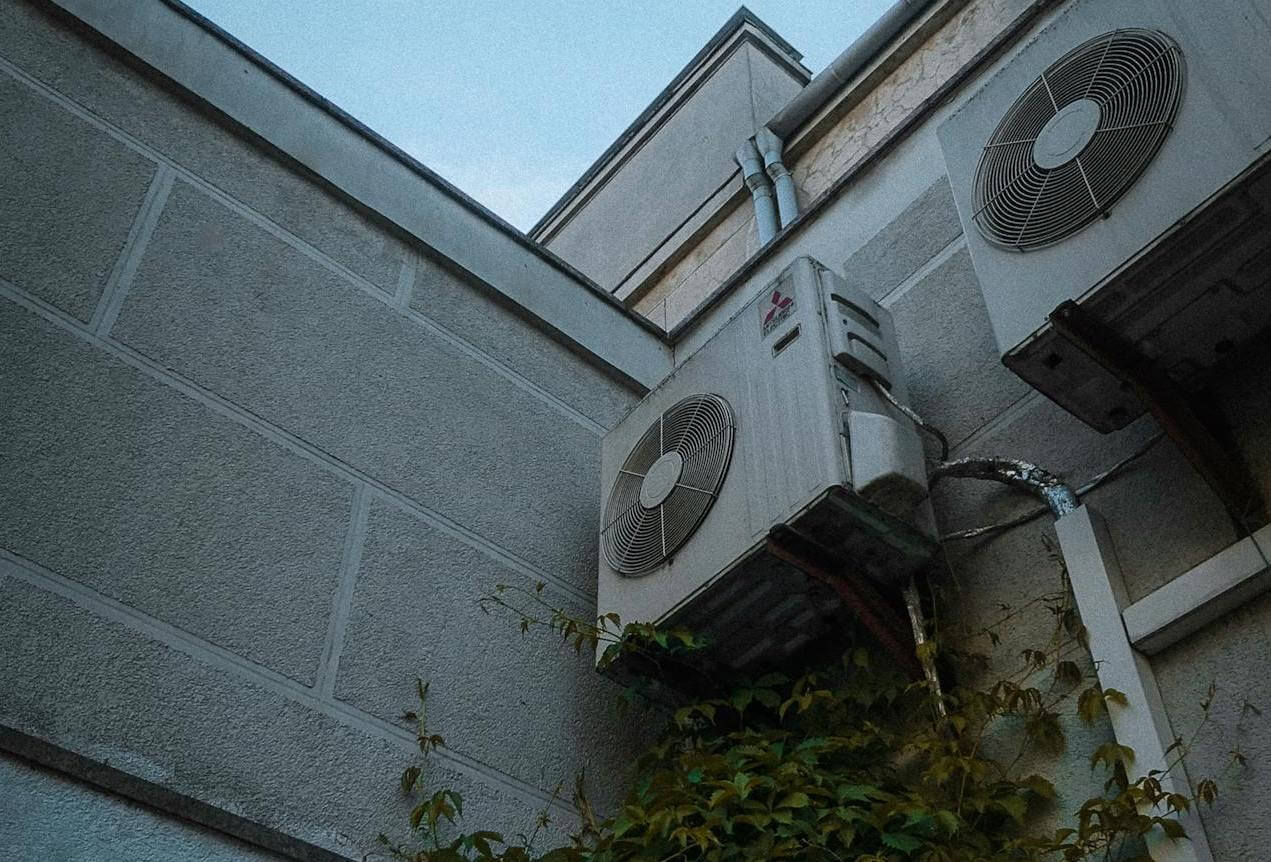
How long air conditioners last in Canada depends on more than just age. It also comes down to how the system was installed, how often it gets maintained, and how hard it works during Ontario summers. Some AC units keep delivering reliable cooling well past that range, while others start struggling much sooner. Higher energy bills, weak airflow, unusual sounds, and warm air coming from the vents are often the first signs that an older air conditioning system is losing efficiency and getting closer to replacement.
This guide explains the average life expectancy of different air conditioners in Canada, what affects system performance, and how to know when repair no longer makes sense and replacement becomes the better investment.
How Long Do Air Conditioners Usually Last in Canada?
Most air conditioners in Canada last between 10 and 15 years with proper maintenance. Some high-efficiency units can last longer, especially when they are properly installed and serviced regularly. On the other hand, poor installation, neglected maintenance, and heavy seasonal use can shorten that lifespan quickly.
The type of system also matters. A central, ductless, portable air conditioner, and heat pump all have different life expectancies because they work differently and handle different cooling demands.
Central Air Conditioner Lifespan
A central air conditioner is usually expected to last around 12 to 15 years, and sometimes longer if the system receives regular maintenance and the air filters are changed consistently. Central air conditioning systems cool the entire home, so they naturally handle more workload than smaller systems. The outdoor AC unit, condenser coil, evaporator coil, and blower motor all work together to keep cool air moving throughout the house. When one part starts losing efficiency, the whole AC system feels it.
A properly installed central AC unit with the right cooling capacity for the home will almost always last longer than an oversized unit or an undersized system that struggles every summer.
Ductless Air Conditioner and Heat Pump Lifespan
A ductless air conditioner or mini-split system often lasts 10 to 20 years, depending on usage and maintenance. Because many Canadian homeowners also use heat pumps for both heating and cooling, these systems sometimes wear out faster due to year-round operation. Unlike a traditional central AC system that mainly works during summer, a heat pump may run through every season.
That makes regular maintenance even more important for protecting long-term system performance and cooling efficiency.
Portable Air Conditioners and Window Units
Portable air conditioners and window units usually have a shorter life expectancy, often around 8 to 10 years. They are smaller systems with lower cooling capacity and are often used harder during peak heat. They can be cost-effective for short-term cooling, but they usually do not offer the same energy efficiency or long-term value as central air conditioning systems.
For homeowners looking for whole-home comfort and lower operating costs, central air or ductless systems are often the better long-term investment.
What Affects How Long an Air Conditioner Lasts?
Two homes can install the same air conditioning unit in the same year and still get completely different results. One system lasts 15 years, while the other needs replacement much sooner. That usually comes down to a few key factors.
Installation Quality and Proper Sizing
Installation quality matters more than most homeowners realize.
Even a high-efficiency unit will struggle if it is not properly installed. An oversized unit may cool too quickly without adequately removing humidity, while an undersized system runs too long trying to keep up. Both situations create extra wear and reduce the central air conditioner’s lifespan.
Proper sizing, correct ductwork, and professional installation from a qualified HVAC contractor make a major difference in long-term performance.
Regular Maintenance and Air Filter Changes
Skipping maintenance is one of the fastest ways to shorten the life of an AC unit. Dirty air filters restrict airflow, force the system to work harder, and reduce energy efficiency. Over time, that extra strain affects important components like the evaporator coil, condenser coil, and outdoor unit.
Replacing filters regularly, keeping the outdoor unit clear, and scheduling annual inspections help maintain peak performance and prevent avoidable repairs.
Climate, Usage, and Outdoor Conditions
Canadian weather also plays a role. Ontario summers can put heavy demand on an air conditioning system, especially during long heat waves when the AC unit runs for hours every day. Outdoor air exposure, moisture buildup, debris around the outdoor unit, and seasonal temperature changes all affect how hard the system has to work.
The more the system struggles year after year, the faster the overall system age starts to show.
Energy Efficiency and System Performance
Older systems naturally lose efficiency over time. Even if the AC unit still runs, reduced cooling output, poor humidity control, and rising energy bills often mean the system is no longer operating at peak performance. Older units also tend to have lower efficiency ratings compared to modern high-efficiency models with better seasonal energy efficiency ratios (SEER) ratings. Sometimes the system still works, but it is quietly costing far more than it should.
Signs Your AC Unit May Need Replacement
Not every problem means you need a new unit, but some signs usually point to a system that is getting close to the end of its lifespan.
Higher Energy Bills and Reduced Cooling Output
If your energy bills keep rising but your home feels less comfortable, your system may be losing efficiency.
Older air conditioners often use more energy just to produce the same cooling output. The system runs longer, struggles to maintain temperature settings, and still leaves certain rooms warmer than others. That usually means the unit is working harder for worse results.
Warm Air Instead of Cool Air
Warm air coming from the vents is one of the clearest warning signs. Sometimes it is a repair issue like refrigerant loss or airflow blockage. But if the existing system is older and this keeps happening, replacement may be the smarter option instead of repeated service calls. Reliable cooling should not feel like a temporary fix every summer.
Frequent Repairs and Unusual Sounds
One repair is normal. Constant repairs are not. If your AC system keeps needing service for refrigerant leaks, blower motor issues, or unusual sounds like rattling, buzzing, or grinding, the cost starts adding up quickly.
At some point, continuing repairs is no longer cost-effective compared to installing a more efficient unit.
Poor Humidity Control and Uneven Cooling
Your AC should do more than produce cold air, it should also help remove humidity and keep temperatures consistent throughout the home. If some rooms stay hot, humidity feels high, or the system struggles to maintain comfort, it may be a sign that the unit is aging or no longer properly sized for the home.
This often happens with older central AC systems that have slowly lost efficiency over time.
Repair or Replace? How to Decide
This is usually the real question homeowners are asking. Do you repair the existing system one more time, or is it finally time for air conditioner replacement?
When Repairs Still Make Sense
If the unit is newer, the issue is minor, and the repair cost is reasonable, repairing often makes sense. Things like thermostat issues, capacitor replacement, or smaller airflow problems are usually worth fixing, especially when the system still delivers strong cooling efficiency and lower operating costs.
A newer central AC unit with good maintenance history usually deserves repair before replacement.
When Replacement Is the Better Investment
If the system is over 12 to 15 years old, needs frequent repairs, and keeps driving up higher energy bills, replacement is often the smarter move.
A new unit offers better energy efficiency, stronger cooling capacity, lower operating costs, and more reliable performance during peak summer months. Many homeowners also upgrade to a high-efficiency unit or consider heat pumps for year-round comfort.
In many cases, replacing the system saves money faster than continuing expensive repairs.
How to Help Your Air Conditioner Last Longer
A longer lifespan usually comes down to consistency. Replace air filters regularly, keep the outdoor AC unit clear of dirt and debris, and avoid pushing the system harder than necessary with extreme temperature settings. Even adjusting the thermostat by a few degrees can reduce wear over time.
Annual professional maintenance is one of the best ways to protect system efficiency. A qualified HVAC professional can inspect refrigerant levels, clean coils, check for air leaks, and catch small issues before they turn into major repairs.
Choosing the Right New Unit for Your Home
When replacement time comes, choosing the right system matters just as much as the installation itself. A more efficient unit with the right cooling capacity will perform better, last longer, and save money over time. Central air conditioners, ductless systems, and heat pumps all offer different benefits depending on the home layout and cooling requirements.
Working with a professional HVAC contractor helps ensure proper sizing, better installation quality, and a system that actually fits your long-term comfort needs.
At HVAC Near Me, homeowners across Ontario can explore energy-efficient central air conditioners, ductless systems, and complete cooling solutions with professional installation included.
Upgrade Before Summer Problems Start
Waiting until the system completely fails usually means higher stress, rushed decisions, and more expensive emergency service. Planning ahead gives you more control. You can compare options, choose a more energy-efficient model, and avoid losing cool air during the hottest weeks of summer.
If your AC system is struggling, HVAC Near Me provides trusted air conditioner repairs across Toronto and the GTA, along with central air conditioner replacement, installation, and high-efficiency cooling solutions across Ontario.
Our team handles fast repairs, expert guidance, and professional installation for long-term comfort and reliable cooling.