


Indoor Air Quality in Fall: What Ontario Homeowners Need to Know

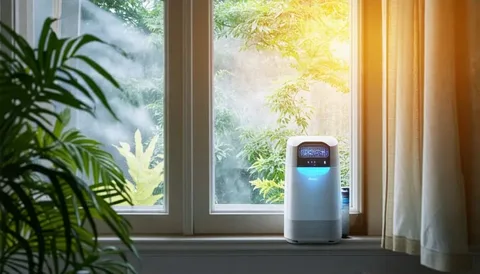
Every September, Ontario homeowners seal their homes against the cold and switch from fans and open windows to recirculated air. It’s a practical response to the weather, and a quiet invitation for indoor air quality problems that don’t announce themselves until someone’s waking up with a dry throat, dealing with worsening allergies, or running the furnace through a haze of dust they never noticed in summer.
Fall is the most important time of year to think about what you’re breathing indoors. Here’s why, and what to do about it.
Why Fall Is the Critical Window for Indoor Air Quality
During summer, Ontario homes breathe. Windows open, fresh air circulates, and whatever contaminants build up inside get flushed out naturally. When the heating season starts, that ventilation stops. Air recirculates through your ductwork and gets breathed repeatedly, along with everything that’s accumulated in it.
At the same time, furnaces kick on for the first time in months. Dust, mould spores, and debris that settled into ducts and on heat exchangers over the summer get mobilized and pushed into living spaces. If your filter hasn’t been changed and your ductwork hasn’t been inspected, the first weeks of the heating season can meaningfully degrade the air you’re breathing.
The problem compounds through winter. Tightly sealed homes have less fresh air exchange, humidity levels shift, and common sources of indoor pollution, cooking, cleaning products, off-gassing from furniture and flooring, have nowhere to go.
The Most Common Indoor Air Quality Problems in Fall
Dust and Allergens
Furnace startup mobilizes dust that accumulated over the summer. Forced-air systems distribute it efficiently through every room. If your filter is clogged or rated too low to catch fine particles, that dust, including mold spores, dust mite debris, and pet dander, recirculates constantly.
The fix starts with the filter. A MERV 8 pleated filter, changed regularly, is the baseline. Households with pets or allergy sufferers should step up to MERV 11. If you’re unsure what your system can handle, check your furnace manual, too restrictive a filter causes its own problems with airflow. Our guide on indoor air quality and the best air quality brands covers filtration systems and air cleaners in more detail.
Excess Dryness
Ontario winters are cold and dry, and sealed homes get drier as the heating season progresses. Forced-air heating drops relative humidity even further. When indoor humidity falls below 30–35%, you notice it: dry skin, irritated eyes and sinuses, static electricity, and, for anyone with respiratory conditions, worsened symptoms.
The solution is a whole-home humidifier installed directly on the furnace. These bypass-style or fan-powered units add controlled moisture to the air as it circulates, maintaining 35–45% relative humidity without constant refilling. A standalone humidifier in one room helps locally but doesn’t address the whole house.
Volatile Organic Compounds (VOCs)
VOCs are gases released by common household products: paints, cleaning products, adhesives, new furniture, and flooring. In summer, open windows dilute them quickly. In a sealed winter home, they accumulate. Long-term exposure to elevated VOC levels has real health implications, and many homeowners don’t connect their symptoms to air quality.
The best mitigation is source reduction, choosing low-VOC products and airing out new furniture before sealing the home for winter. Activated carbon filtration and UV air purifiers help with what remains.
Mould and Humidity Imbalance
Mold needs moisture. Ontario’s fall, with morning condensation, ground moisture, and humid basements, provides plenty of it. Mold can establish itself in ductwork, on evaporator coils (which have been wet all summer), and around windows where condensation collects as outdoor temperatures drop.
Having your HVAC system inspected in fall, including the coils and ductwork, catches mold early, before it gets distributed through your ventilation system. A UV germicidal light installed in the air handler kills mold and bacteria on the coil surface continuously.
How Your HVAC System Affects Indoor Air Quality
Your furnace and ductwork are the lungs of your home. How well they work, and how clean they are, determines what you breathe.
A few things to check at the start of each heating season:
The filter is the most obvious starting point, but it’s also the most commonly skipped. A saturated filter does not catch particles, it bypasses them. Set a calendar reminder to check it monthly and replace it every 60–90 days.
Ductwork accumulates dust over years of operation. If your ducts haven’t been cleaned in five or more years, and you’re noticing visible dust discharge from vents, increased allergy symptoms, or poor airflow in some rooms, professional duct cleaning may be warranted. Look for a service that uses negative pressure and contact cleaning rather than just blowing compressed air through the system.
The evaporator coil in your air handler runs wet all summer and can develop mold or biofilm on the surface. This gets pushed into your air every time the fan runs. A technician can inspect and chemically clean the coil as part of an end-of-season inspection. If you’re also thinking about a system upgrade, it’s worth understanding how furnace staging affects airflow and air distribution throughout your home a modulating furnace, for example, runs at lower speeds more consistently, which can meaningfully improve both comfort and air quality.
Humidity: The Fall Variable Most Homeowners Underestimate
The relationship between humidity and comfort, and health, in a Canadian winter is underappreciated. Too dry, and sinuses crack and airways become more vulnerable to infection. Too humid, and condensation forms on windows and walls, creating conditions for mold.
The target for a sealed Ontario home in winter is 35–45% relative humidity. You can monitor it cheaply with a digital hygrometer ($15–20 at any hardware store). If you’re consistently below 30%, a whole-home humidifier is worth the investment. If you’re above 55%, you may have a moisture source, basement seepage, inadequate vapour barrier, or insufficient ventilation, worth investigating before it becomes a mould problem.
Ventilation: What Changes When You Close the Windows
Modern building codes in Ontario require Heat Recovery Ventilators (HRVs) in new construction for exactly this reason: a sealed home needs mechanical fresh air exchange. HRVs pull stale interior air out while recovering its heat and transferring it to incoming fresh air, giving you ventilation without losing the energy you paid to heat that air.
If your home has an HRV, fall is the time to clean its filters and confirm it’s running correctly. If your home doesn’t have one, and most homes built before 2000 don’t, it’s worth discussing with an HVAC contractor whether a standalone unit is appropriate for your situation.
At minimum, running kitchen and bathroom exhaust fans during cooking and after showers removes moisture and combustion byproducts that would otherwise accumulate. The tradeoff is that exhaust fans pull heated air directly out of the house, use them as needed, not continuously.
Practical Steps to Improve Fall Indoor Air Quality
None of these require a major project. Most take an afternoon and cost less than a service call:
Replace the furnace filter before the heating season starts. If it hasn’t been changed since spring, it needs replacing now. A fresh MERV 8 or MERV 11 filter is the single most impactful thing you can do for your air quality before winter.
Check and set whole-home humidifier settings if you have one. Fall startup should include confirming the humidistat is set correctly (35–40% is a good target) and the water panel hasn’t calcified over the summer.
Air out the house during mild days in September and October. These are the last chances to flush indoor air naturally before temperatures make open windows impractical. A few hours with windows open on a dry, mild fall day does more for air quality than most products sold for the same purpose.
Test carbon monoxide detectors. Furnace season is when CO exposure risk rises. If your detectors are more than five years old, replace them.
Schedule a furnace inspection before you rely on it. A technician will check the heat exchanger, the component whose failure puts CO into living spaces, as part of a standard tune-up.
When to Consider a Whole-Home Air Quality System
If seasonal filter changes and basic maintenance aren’t enough, particularly for households with asthma, compromised immune systems, or severe allergies, a whole-home air quality system makes a meaningful difference.
Options worth discussing with an HVAC contractor include whole-home media cleaners (4–5 inch filter cartridges that provide MERV 16 equivalent filtration without the airflow restriction of a 1-inch MERV 13), UV germicidal lights that continuously kill mould and bacteria on the coil, and energy recovery ventilators that address fresh air exchange.
For a full look at the available products and what to look for, see our guide to the best air quality brands in Canada.
The Air You Breathe This Winter Starts With Decisions Made in Fall
Indoor air quality in an Ontario winter is largely determined by what you do in September and October, before the home is sealed. A clean filter, a calibrated humidifier, functional ventilation, and a furnace inspection are the foundation. Beyond that, understanding what’s in your air and where it’s coming from is what makes the difference between a winter that’s merely cold and one that’s uncomfortable.
Contact us to schedule a fall HVAC inspection or learn more about indoor air quality products for your home.