


Home Cooling Costs Ontario in Ontario – What to Expect in 2026

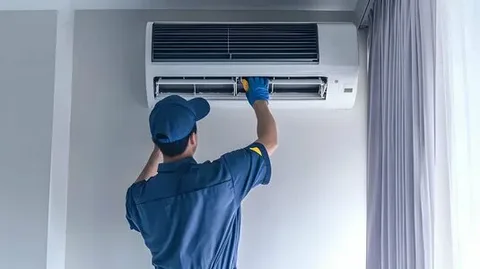
Ontario homeowners often notice a sharp increase in hydro bills once summer temperatures rise. Air conditioning becomes essential during humid heat waves, but many people are surprised by how much it can cost to keep a home comfortable. The cost of cooling a home in Ontario depends on several factors, including your AC system’s efficiency, home insulation, thermostat settings, electricity rates, and even local weather conditions.
If your cooling costs seem higher than expected, there is usually a reason behind it. Understanding what drives those expenses can help you make smarter decisions and improve comfort without overspending.
Why Cooling Costs Increase During Ontario Summers
Ontario summers can be both hot and humid, especially in cities like Toronto, Mississauga, Scarborough, North York, and surrounding GTA communities. Humidity forces air conditioners to work longer cycles because the system is removing both heat and moisture from indoor air. Several seasonal factors increase cooling expenses:
- Higher outdoor temperatures
- Increased humidity levels
- Longer daytime cooling cycles
- Peak electricity usage periods
- Older AC systems working harder
When temperatures remain above 30°C for multiple days, many systems run continuously just to maintain indoor comfort. That extended runtime directly impacts hydro bills.
Your Air Conditioner’s Efficiency Plays a Major Role
One of the biggest factors affecting cooling costs is the efficiency rating of your air conditioner. Older systems typically consume much more electricity than modern high-efficiency models. SEER2 ratings help measure cooling efficiency. Higher SEER2 ratings generally mean lower operating costs.
For example:
- Older AC systems may operate around SEER 10–13
- Modern mid-efficiency systems usually range from SEER2 15–17
- High-efficiency systems can exceed SEER2 18+
If your system is over 12–15 years old, it may be costing far more to operate than necessary. Homeowners looking for energy-efficient options can explore modern Air Conditioners models designed for Ontario’s climate.
The Size of Your Home Matters
Larger homes naturally require more cooling power, but square footage is only part of the equation. Ceiling height, window placement, insulation quality, and sun exposure all influence cooling demand. Typical cooling usage patterns include:
| Home Size | Estimated Cooling Demand |
| Small condo or apartment | Lower daily AC runtime |
| Average detached home | Moderate cooling demand |
| Large multi-level home | Higher energy consumption |
| Poorly insulated home | Extended AC operation |
Homes with large west-facing windows often experience additional heat gain during late afternoons, forcing the AC system to work harder.
Poor Insulation Can Increase Summer Hydro Bills
Many homeowners associate insulation with winter heating, but insulation is equally important during summer. Poor attic insulation, air leaks, and outdated windows allow heat to enter the home continuously. Common issues include:
- Hot attic spaces transferring heat downward
- Air leaks around doors and windows
- Inadequate wall insulation
- Older single-pane windows
- Poor duct sealing
When cool air escapes and warm air enters, your system operates longer cycles and consumes more electricity.
Thermostat Settings Affect Cooling Expenses
Thermostat habits have a direct impact on monthly hydro costs. Setting temperatures too low forces the air conditioner to run continuously. Recommended summer thermostat practices:
- Keep indoor temperatures around 24–26°C
- Raise temperatures slightly when away from home
- Use programmable or smart thermostats
- Avoid drastic temperature reductions
Many homeowners lower their thermostat excessively trying to cool the house faster, but AC systems cool at the same speed regardless of setting. Lower settings simply increase runtime.
Dirty HVAC Systems Reduce Efficiency
Even a high-efficiency air conditioner can become expensive to operate if maintenance is neglected. Dirty filters, blocked coils, and restricted airflow force the system to use more energy. Signs your system may need maintenance include:
- Weak airflow
- Uneven cooling
- Longer cooling cycles
- Higher hydro bills
- Strange noises
- Warm air from vents
Scheduling regular maintenance and professional inspections can improve efficiency and extend system lifespan. If your system is struggling during summer, professional air conditioner repairs may help restore performance before major breakdowns occur.
Ontario Electricity Rates Impact Cooling Costs
Electricity pricing in Ontario can vary depending on your utility plan and usage patterns. Many homeowners pay more during peak demand periods when air conditioners are running heavily across the province. Cooling costs may increase due to:
- Time-of-use electricity pricing
- Peak afternoon demand
- Extended heat waves
- Increased household appliance usage
Running appliances strategically and improving HVAC efficiency can help reduce overall electricity consumption.
Ductwork Problems Can Waste Energy
Leaky or poorly designed duct systems often waste cooled air before it reaches living spaces. In some homes, conditioned air escapes into attics, crawlspaces, or basements instead of cooling occupied rooms. Common duct-related problems include:
- Air leaks
- Poor airflow balancing
- Crushed duct sections
- Dirty duct systems
- Improper duct sizing
Even small airflow problems can increase cooling costs significantly over an entire summer season.
Smart Ways to Reduce Cooling Costs
Reducing summer hydro bills does not always require replacing your entire HVAC system. Small improvements can often make a noticeable difference. Energy-saving strategies include:
- Replacing air filters regularly
- Using ceiling fans
- Closing blinds during peak sunlight
- Sealing air leaks
- Scheduling annual AC maintenance
- Installing smart thermostats
- Upgrading insulation
- Using high-efficiency cooling systems
These adjustments help reduce strain on your air conditioner while improving overall comfort.
When Replacing Your Air Conditioner May Save Money
In some situations, repairing an aging system repeatedly becomes more expensive than upgrading to a newer high-efficiency unit. Modern systems can provide:
- Lower monthly cooling costs
- Better humidity control
- Quieter operation
- Improved airflow
- More consistent indoor comfort
Popular energy-efficient options available for Ontario homeowners include:
- Lennox Central Air Conditioner – 48,000 BTU – SEER2 16 – Model EL15KC1
- Lennox Central Air Conditioner – 36,000 BTU – SEER2 16 – Model EL15KC1
- Lennox Central Air Conditioner – 18,000 BTU – SEER2 16 – Model EL15KC1
- Lennox Central Air Conditioner – 24,000 BTU – SEER2 17 – Model ML17KC2
Choosing the correct size and efficiency level is important because oversized or undersized systems can increase energy usage and reduce comfort.
Regular AC Maintenance Helps Lower Long-Term Costs
Preventive maintenance is one of the simplest ways to control cooling expenses over time. Professional inspections can identify airflow issues, refrigerant problems, worn components, and efficiency losses before they become costly repairs.
Homeowners can also benefit from following a seasonal maintenance routine. Our article, AC Maintenance Checklist, explains important steps that help keep cooling systems operating efficiently throughout Ontario summers.