


Boiler Repair or Replacement: How to Figure Out What Your Home Really Needs

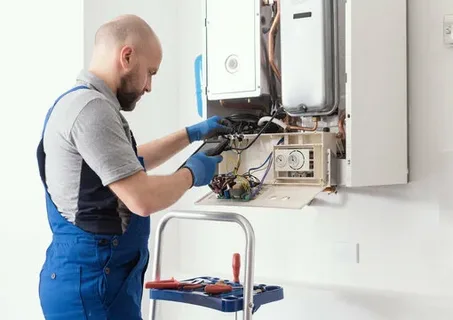
Most homeowners don’t spend much time thinking about their boiler, until the day it starts acting a little off. Maybe the house isn’t warming up the way it used to, or there’s a noise you’ve never heard before, or the system just feels like it’s working harder than it should. When that happens, the same question comes up every time: Should I repair it, or is it finally time to replace it?
It’s a stressful moment, especially if it’s cold outside and you rely on that heat every day. The goal here isn’t to overwhelm you with technical language. It’s simply to help you understand what’s going on, what’s normal, and when a replacement really makes more sense than another repair.
Why Boilers Eventually Struggle
Boilers are tough, but they don’t stay at their peak forever. Even a well-maintained system starts to show its age after years of constant use. And the signs aren’t always dramatic, they often start small. Homeowners usually notice things like:
- Odd noises that weren’t there before
- Rooms that feel uneven in temperature
- A heating cycle that’s slower or inconsistent
- Energy bills creeping higher for no obvious reason
- Occasional leaks or pressure changes
Some of these are simple fixes. Others suggest the system is heading into its final years. The challenge is knowing the difference, and that’s where a bit of guidance helps.
When a Repair Is Still the Smart Choice
There are plenty of situations where repairing the boiler is absolutely the right move. Not every issue is a sign of major trouble. A boiler repair usually makes sense when:
1. The boiler isn’t that old yet
If it’s under 10–12 years and hasn’t given you much trouble before, replacing one part is usually all it needs.
2. The issue is isolated and easy to identify
A thermostat that’s acting up, air in the system, a small pump issue, or an ignition problem, these are all things that technicians see every day and repairs are straightforward.
3. The boiler can still heat the home evenly
If comfort hasn’t changed and the system is still keeping up, that’s a sign the main components are healthy.
4. There are no safety concerns
No leaks, no carbon monoxide alerts, no pressure problems, just a mechanical issue that needs attention.
If you’re unsure where your boiler stands, a quick conversation with a technician usually clears things up. Sometimes a small issue only sounds big.
When Replacing the Boiler Makes More Sense
Every boiler has a point where repairs stop paying off. Sometimes homeowners spend money fixing the same problems over and over, and a replacement saves more in the long run.
Here are the most common signs that it’s time to consider a new boiler:
1. The system is 15–20 years old or older
At this age, even well-maintained boilers work harder and lose efficiency.
2. You’ve needed multiple repairs recently
If calling for service has become a yearly, or worse, seasonal, routine, the system is likely wearing down faster.
3. The boiler can’t keep the home warm anymore
When certain rooms stay cold or the boiler seems to run nonstop, it’s often a sign of deeper performance issues.
4. Energy bills keep increasing
Older boilers burn more fuel than they should, especially during Ontario’s long winter season.
5. You’re seeing signs of corrosion, leaks, or safety triggers
These are problems you don’t want to ignore, and they often mean the system is at the end of its life.
A new boiler isn’t just a replacement, it often delivers quieter operation, more stable heating, and noticeably lower monthly energy costs.
The Efficiency Factor
One thing homeowners sometimes overlook is how much boiler technology has changed. Modern systems waste far less heat, recover faster, and maintain steadier temperatures throughout the home.
The difference is noticeable in:
- monthly heating costs
- how evenly the home feels warm
- how often (or rarely) the system needs attention
- long-term reliability
If your boiler’s efficiency has slowly dropped, and your heating costs tell the same story, replacement often becomes the more practical long-term option.
How Maintenance Fits In
Regular maintenance can absolutely extend a boiler’s life, cleaning, flushing sediment, inspecting burners, checking pressure. It keeps the system safer and more efficient.
But even with good maintenance, every boiler eventually reaches a stage where parts wear out and performance declines. Maintenance delays replacement; it can’t prevent it forever.
Boilers Homeowners Often Compare
If you’re starting to look into replacement options, these are some solid, commonly reviewed models used in Ontario homes:
- Navien NHB-55 – 55,000 BTU Heat-Only Boiler
- Rinnai i90SN – 90,000 BTU Heat-Only Boiler
- Navien NCB190-060H – 60,000 BTU Heat-Only Boiler
- Navien NHB-80 – 80,000 BTU Heat-Only Boiler
- Rinnai i120SN – 120,000 BTU Heat-Only Boiler
- Rinnai i090CN – 90,000 BTU Combi Boiler
They differ in output, design, and performance, but all of them are known for reliability and efficiency in cold climates.
So How Do You Decide?
It usually comes down to a few simple things: the age of your boiler, how often it’s been breaking down, how well it’s heating the home right now, and whether your energy bills or safety sensors are hinting that something has changed.
If you want a deeper look at what a modern system involves and how a proper upgrade works, the Boiler Installation Guide for Ontario Homeowners is a helpful resource you can explore.
Once you put all these pieces together, the right decision becomes much easier. The goal is always the same, keeping your home warm, comfortable, and safe, without spending more than you need to.