


Benefits of Installing a Ductless Cooling System

Ontario homeowners are always looking for better ways to stay comfortable during humid summers without driving up energy bills. As energy costs continue to rise and many older homes still lack proper ductwork, more people are considering ductless cooling systems as a practical solution. But are they actually worth the investment?
For many homes across Ontario, the answer is yes. Ductless cooling systems offer flexible installation, excellent energy efficiency, zoned comfort, and quieter operation compared to many traditional systems. They are especially useful for older homes, home additions, renovated basements, condos, and spaces where installing ductwork would be expensive or disruptive.
If you are considering upgrading your cooling system before summer arrives, understanding how ductless systems work and where they perform best can help you make a smarter long-term decision.
What Is a Ductless Cooling System?
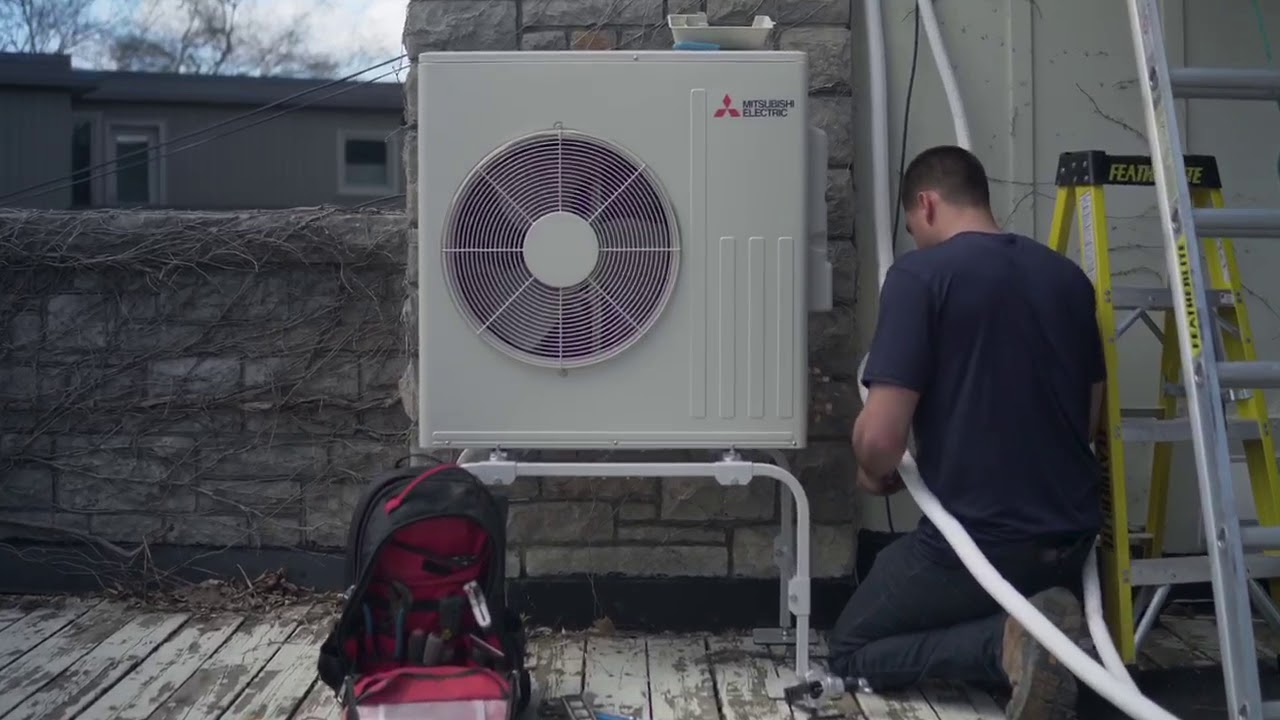
A ductless cooling system, often called a mini split AC system, uses an outdoor condenser connected to one or more indoor air-handling units. Instead of relying on large duct networks, cooled air is delivered directly into individual rooms or zones.
These systems are becoming increasingly popular in Ontario because they offer efficient cooling without requiring major renovations or invasive installation work. Many modern systems also provide heating during colder months, making them useful year-round. Homeowners often choose ductless systems for:
- Older homes without central ductwork
- Finished basements
- Home offices
- Additions or sunrooms
- Condominiums
- Multi-family properties
- Renovation projects
Many homeowners exploring modern cooling options start by comparing different types of air conditioners to find the right fit for their property and budget.
Why Ductless Systems Work Well in Ontario Homes
Ontario weather creates unique challenges for cooling systems. Summers can become hot and humid very quickly, especially in cities like Toronto, Mississauga, Vaughan, and Hamilton. Homes also vary greatly in age and design, which affects airflow and efficiency. Ductless systems adapt well because they allow homeowners to cool specific spaces without overworking a large central unit.
Some key reasons Ontario homeowners choose ductless cooling include:
- Lower energy consumption
- Better temperature control
- Easier installation
- Reduced cooling loss
- Quiet indoor operation
- Flexible room-by-room comfort
Many older Ontario homes lose significant cooled air through aging ductwork. Since ductless systems avoid ducts entirely, they eliminate this energy loss and often improve overall efficiency.
Energy Efficiency and Lower Utility Bills
One of the biggest reasons homeowners switch to ductless HVAC systems is energy savings. Traditional central air systems can lose a large amount of cooled air through leaks and poorly insulated ducts. Ductless systems deliver cooling directly into living spaces, helping reduce wasted energy.
Most modern mini split systems use inverter technology, which allows the compressor to adjust output based on cooling demand instead of constantly turning on and off. This improves efficiency and maintains more stable indoor temperatures. Potential energy-saving benefits include:
- Lower monthly hydro bills
- Reduced strain on the HVAC system
- More consistent indoor temperatures
- Improved seasonal efficiency
- Less energy waste in unused rooms
For homeowners focused on long-term operating costs, energy efficient cooling systems can provide noticeable savings over time, especially during Ontario’s peak summer months.
Zoned Cooling Makes a Big Difference
One of the most valuable features of ductless systems is zoned cooling. Instead of cooling the entire house equally, homeowners can control temperatures in specific rooms independently. This is particularly useful for:
- Families with different comfort preferences
- Homes with rarely used rooms
- Finished attics or basements
- Multi-level homes with uneven temperatures
- Home offices that require extra cooling
For example, if the upstairs bedrooms become significantly hotter than the main floor during summer, a ductless system can target only those spaces instead of forcing the entire central system to work harder. This level of control often improves comfort while reducing unnecessary energy usage.
Installation Is Faster and Less Invasive
Installing central air conditioning in a home without existing ducts can be costly and disruptive. Walls may need to be opened, ceilings modified, and large duct systems added throughout the property. Ductless systems are much simpler to install because they require only small wall openings for refrigerant lines and electrical connections. Advantages of ductless installation include:
- Minimal construction work
- Faster project completion
- Lower renovation costs
- Less damage to finished interiors
- Easier installation in tight spaces
This is one reason ductless systems have become popular during home renovation projects across Ontario.
Homeowners researching modern systems often explore available ductless systems to better understand sizing, efficiency ratings, and installation options.
Are Ductless Cooling Systems Expensive?
The upfront cost of a ductless cooling system is usually higher than installing a window unit or portable AC. However, the long-term value often offsets the initial investment. The total cost depends on factors such as:
- Number of indoor units
- Home size
- Installation complexity
- System efficiency rating
- Heating capability
- Brand and model selection
While a single-zone system for one room may be relatively affordable, multi-zone systems designed for entire homes naturally cost more. However, homeowners should also consider:
- Lower monthly utility bills
- Potential rebates and incentives
- Reduced maintenance costs
- Longer system lifespan
- Improved property value
In many Ontario homes, ductless systems become financially worthwhile over several years through improved efficiency and comfort.
Quiet Performance Improves Daily Comfort
Traditional window AC units and older central systems can create significant indoor noise. Ductless systems are known for operating quietly, which makes them especially attractive for bedrooms, nurseries, offices, and condos.
Indoor units are designed for low-noise performance while outdoor condensers often run more quietly than older traditional AC systems. This quieter operation improves comfort in:
- Bedrooms
- Home offices
- Apartments
- Study areas
- Living rooms
- Small homes
For homeowners sensitive to noise, this can become one of the most appreciated upgrades.
Ductless Systems Can Also Help With Heating
Many modern ductless systems function as heat pumps, meaning they can provide both cooling and heating. This makes them useful during Ontario’s shoulder seasons when temperatures fluctuate in spring and fall. Some advanced cold-climate heat pumps can even operate efficiently during winter conditions.
Benefits of dual heating and cooling systems include:
- Reduced reliance on baseboard heating
- Better year-round comfort
- Improved efficiency compared to electric heating
- Lower seasonal energy costs
- One system for multiple functions
This versatility adds additional long-term value for many Ontario homeowners.
How Long Do Ductless Cooling Systems Last?
When properly maintained, many ductless HVAC systems can last 15 to 20 years or longer. Regular maintenance plays a major role in system performance and longevity. Important maintenance tasks include:
- Cleaning air filters
- Keeping outdoor units clear
- Checking refrigerant levels
- Inspecting electrical connections
- Scheduling annual professional service
Homeowners preparing for summer can also benefit from following an AC maintenance checklist to keep their cooling system operating efficiently throughout the season.