


Why Does My House Feel So Humid in Mississauga?

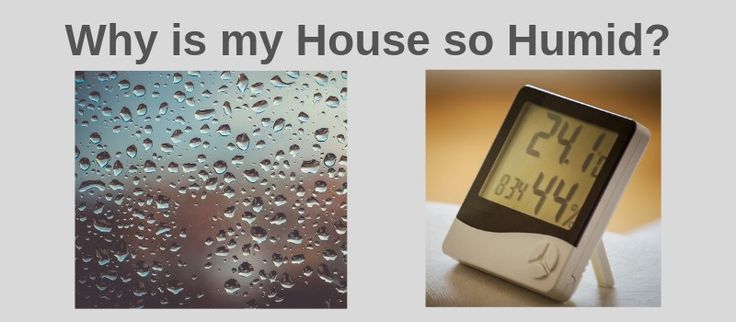
If your home constantly feels sticky, damp, or uncomfortable during warmer months, you’re not alone. Many homeowners ask, “Why is my home so humid in Mississauga?” especially during spring and summer when outdoor moisture levels rise across the GTA.
Indoor humidity problems can make your home uncomfortable, affect sleep quality, damage surfaces, and even create health concerns over time. While some humidity is normal, excessive indoor moisture usually points to ventilation issues, HVAC problems, or poor airflow throughout the home. Understanding what causes indoor humidity can help you improve comfort, protect your property, and reduce strain on your cooling system.
Mississauga’s Climate Naturally Brings Higher Humidity
Mississauga experiences humid summers due to its proximity to Lake Ontario and seasonal weather patterns. Warm outdoor air holds more moisture, and that moisture often finds its way indoors through open doors, windows, ventilation gaps, and daily household activities. Humidity levels tend to rise significantly during:
- Summer heat waves
- Rainy stretches
- Sudden temperature swings
- Poorly ventilated days
Even newer homes can experience indoor humidity problems if airflow and cooling systems are not properly balanced for changing weather conditions.
Your Air Conditioner May Not Be Removing Enough Moisture
Many homeowners assume air conditioners only cool the air, but they also play an important role in humidity control. A properly functioning AC system removes excess moisture while cooling your home. If your home still feels humid even when the AC is running, the system may have issues such as:
- Dirty air filters
- Refrigerant problems
- Oversized equipment
- Poor airflow
- Clogged drain lines
- Aging components
An oversized air conditioner is actually a common issue. When a system cools too quickly, it shuts off before removing enough moisture from the air. This leaves the home cool but still damp and uncomfortable.
Homeowners experiencing ongoing humidity issues often schedule professional HVAC services in Mississauga to inspect airflow, cooling performance, and indoor moisture control.
Poor Ventilation Traps Moisture Indoors
Everyday activities inside your home create moisture. Cooking, showering, laundry, and even breathing release water vapor into the air. Without proper ventilation, that moisture builds up quickly. Common ventilation problems include:
- Weak bathroom exhaust fans
- Kitchen fans venting improperly
- Blocked vents
- Closed air returns
- Limited attic ventilation
Bathrooms are especially important. After hot showers, steam should leave the home quickly. If mirrors stay fogged for long periods or condensation forms regularly on windows, poor ventilation may be contributing to excess indoor humidity.
Basement Moisture Is Common in Mississauga Homes
Many homes in Mississauga deal with basement humidity due to groundwater moisture, older foundations, and seasonal rainfall. Signs of basement-related humidity include:
- Musty smells
- Damp walls
- Condensation on pipes
- Mold or mildew spots
- Sticky air downstairs
Basements naturally stay cooler, which can create condensation when humid air enters the space. Over time, moisture can spread upward through the home and affect overall comfort.
A dehumidifier may help temporarily, but persistent moisture problems should be professionally inspected to identify airflow or drainage issues.
Dirty Air Filters Restrict Airflow
Something as simple as a clogged HVAC filter can contribute to indoor humidity problems. Dirty filters reduce airflow throughout the system, making it harder for your air conditioner to circulate and properly remove moisture. Restricted airflow may also cause:
- Uneven temperatures
- Longer cooling cycles
- Increased energy bills
- Reduced indoor comfort
Many homeowners forget to replace filters regularly, especially during heavy summer usage when systems run constantly.
Leaky Ductwork Can Bring Humid Air Inside
Leaking ductwork is another hidden cause of humidity issues. Cracks or gaps in ducts can pull warm, humid air from attics, crawlspaces, or unconditioned areas into your living space. This creates several problems:
- Higher indoor humidity
- Reduced cooling efficiency
- Hot and cold spots
- Increased HVAC strain
Older duct systems are especially vulnerable to leaks, particularly in homes that haven’t had HVAC inspections in several years.
Your Home May Be Too Airtight
Modern energy-efficient homes are designed to reduce air leakage. While this improves efficiency, it can also trap humidity indoors if ventilation systems are inadequate. Homes that are tightly sealed may experience:
- Persistent stale air
- Window condensation
- Lingering odors
- High indoor humidity
Without proper fresh-air exchange, moisture has nowhere to escape. This is why balanced ventilation systems are becoming increasingly important in newer Mississauga homes.
Humidity Can Affect More Than Comfort
Excess indoor moisture does more than make the air feel sticky. Long-term humidity problems can impact both your health and your home. High indoor humidity may contribute to:
- Mold growth
- Dust mites
- Respiratory irritation
- Wood warping
- Paint damage
- Poor sleep quality
Indoor humidity levels ideally should stay between 30% and 50% for comfort and air quality. If levels consistently exceed that range, your HVAC system may not be operating efficiently.
When Should You Call an HVAC Professional?
Some humidity fluctuations are normal during hot Ontario summers, but persistent indoor moisture issues usually indicate an underlying HVAC or ventilation problem. You should consider professional inspection if:
- Your home feels damp constantly
- Condensation appears regularly on windows
- The AC runs continuously without improving comfort
- Certain rooms feel muggy
- Musty odors persist
- Mold or mildew appears indoors
An experienced technician can evaluate your cooling system, airflow, ventilation, and humidity levels to identify the cause and recommend practical solutions for long-term comfort in your Mississauga home.