


The Pros and Cons of Ductless vs. Central Air Conditioning Systems

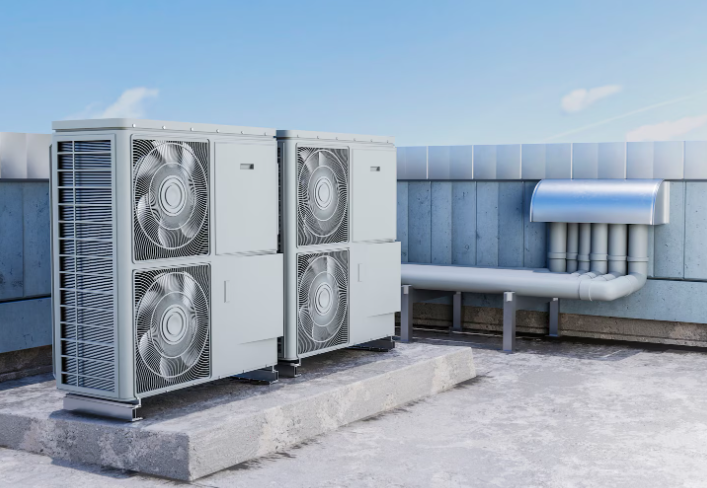
When it comes to cooling your home, two of the most popular options are ductless mini-split systems and traditional central air conditioning. Both offer reliable comfort, but the right choice depends on your home’s design, budget, and long-term needs. Here’s a breakdown of the advantages and drawbacks of each.
Ductless Air Conditioning Systems
Ductless, or “mini-split,” systems have grown in popularity across Ontario in recent years, especially in neighborhoods with older homes that were never built with ductwork. Instead of relying on a network of ducts, these systems use small indoor air-handling units connected directly to an outdoor compressor. Each unit delivers cooling (and often heating) directly into the space where it’s installed. This setup gives homeowners a lot of flexibility, but it also comes with trade-offs. Below are the key advantages and disadvantages of going ductless:
Pros:
- Flexible installation: No ductwork required, making them perfect for older homes, additions, or converted spaces.
- Zoned comfort: Each indoor unit can be controlled independently, so you can cool specific rooms without wasting energy on unused spaces.
- High efficiency: Many ductless systems deliver excellent energy efficiency, especially in smaller homes or households with targeted cooling needs.
Cons:
- Upfront cost: Installation can be more expensive per unit compared to replacing a single central AC system.
- Aesthetic impact: Wall-mounted units are visible, which some homeowners may find less appealing.
Multiple units needed: For larger homes, you may need several indoor heads, which increases cost and maintenance.
Central Air Conditioning Systems
Central air conditioning is the most common cooling solution in North America, especially in newer homes where ductwork is already part of the design. These systems use a single outdoor unit connected to an indoor coil that works with your furnace or air handler. Cool air is pushed through ducts and distributed evenly to every room via vents.
This approach provides whole-home comfort without the need for multiple indoor units, making it a popular choice for families who want consistent temperatures throughout the house. However, central systems rely heavily on ductwork, which can be both an advantage and a drawback depending on your home’s construction.
Pros:
- Whole-home cooling: Delivers even comfort across all rooms through ductwork.
- Unobtrusive design: No visible indoor units, just vents.
- Compatible with existing systems: Works seamlessly with many furnaces and heating systems already in place.
Cons:
- Requires ductwork: Homes without existing ducts may face significant installation costs.
- Energy loss through ducts: Leaks or poor insulation in ductwork can reduce efficiency.
Less flexible zoning: Without upgrades, central AC typically cools the whole house rather than individual rooms.
Which Option is Best for You?
If you live in a modern home with ductwork already in place, central AC is usually the more cost-effective and seamless choice. For older homes, renovations, or homeowners looking for zoned comfort, ductless mini-splits offer excellent efficiency and control.
You can explore different models and compare options in our full line of air conditioners.
Not sure what size air conditioner is right for your home?
Use our free AC Calculator & Quote Wizard to get a personalized recommendation in minutes. Try It Now
Both ductless and central AC systems have strong advantages, and the best solution comes down to your home’s layout, your efficiency goals, and your budget.