


How to Choose the Right Air Conditioner for Your Home in Toronto

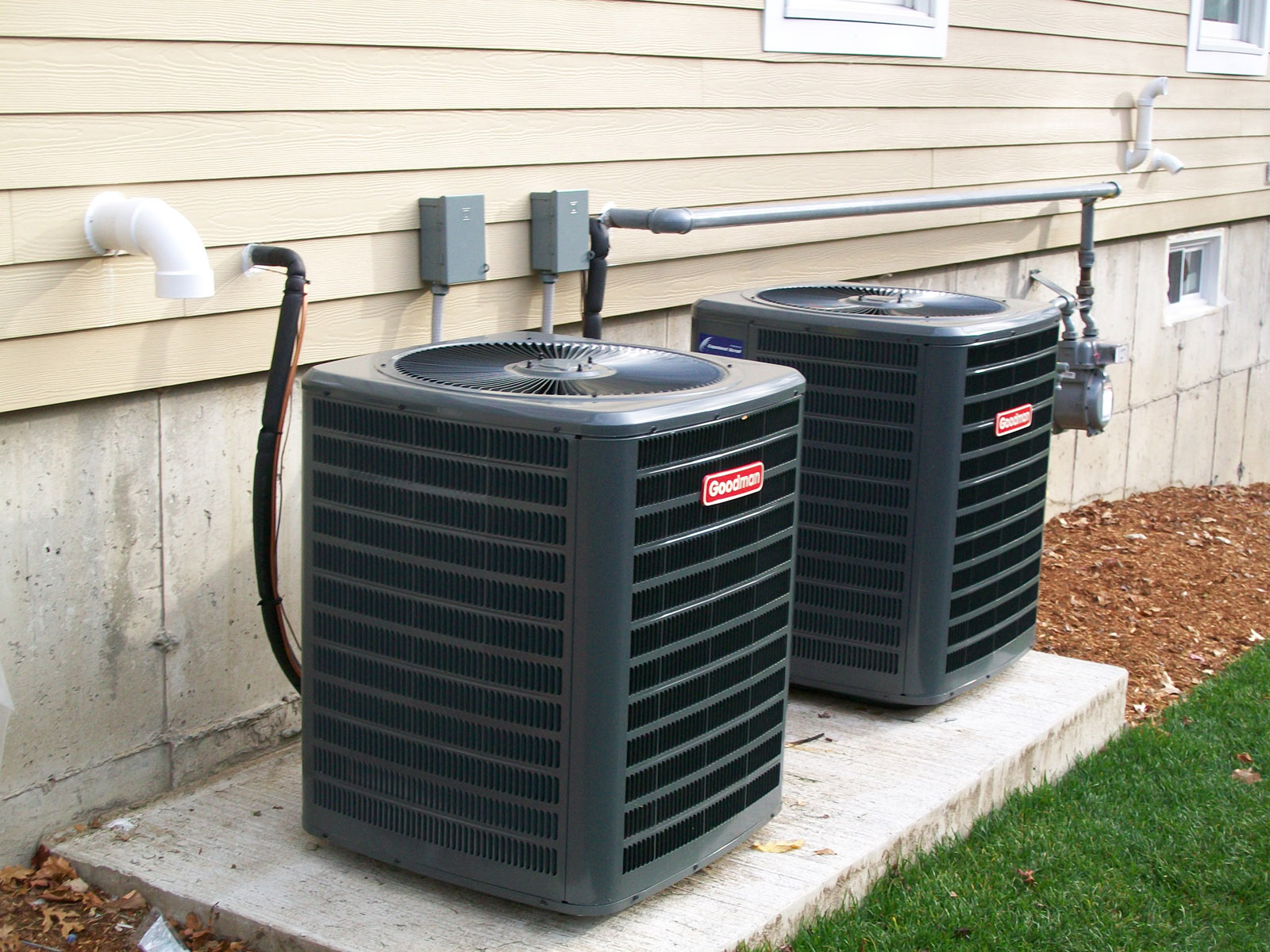
Buying a new air conditioner is a long-term investment. Most homeowners replace their AC once every 12 to 15 years, which means the decision you make today will affect comfort, energy bills, and maintenance costs for years.
If you’re wondering how to choose the right air conditioner for your home in Toronto, the answer comes down to proper sizing, system type, efficiency level, and installation quality.
Understanding Proper AC Sizing
Correct sizing is the most important factor when choosing an air conditioner. Systems are measured in tons, which reflect cooling capacity. Choosing the wrong size can reduce both comfort and efficiency.
An oversized unit may:
- Cool too quickly
- Fail to remove humidity properly
- Short cycle and increase wear
An undersized unit may:
- Run continuously
- Struggle during peak summer heat
- Cool unevenly
Cooling Capacity by Home Size
| Home Size (sq ft) | Recommended Cooling Capacity |
| 1,000 – 1,500 | 1.5 – 2 tons |
| 1,500 – 2,000 | 2 – 2.5 tons |
| 2,000 – 2,500 | 2.5 – 3 tons |
| 2,500+ | 3 – 5 tons |
For accurate results, always request a professional load calculation before installation.
Central Air vs Ductless Systems
Toronto homeowners often compare central and ductless systems when planning a new installation.
System Type Comparison
| System Type | Best For | Primary Advantage |
| Central Air | Homes with existing ductwork | Whole-home cooling with consistent airflow |
| Ductless (Mini-Split) | Homes without ducts or with additions | Independent zone control and flexibility |
If you already have ductwork, central air is typically the most practical option. If not, ductless systems offer flexibility and zoning advantages.
You can review available models and specifications in our Air Conditioners products.
Understanding Efficiency Ratings
Efficiency is measured using SEER2 ratings. Higher ratings generally mean lower electricity usage over time.
Efficiency Level and Long-Term Operating Costs
| Efficiency Level | SEER2 Range | Upfront Cost | Long-Term Energy Impact |
| Standard | 13.4 – 15 | Lower | Higher electricity consumption |
| Mid Efficiency | 16 – 18 | Moderate | Balanced operating costs |
| High Efficiency | 19+ | Higher | Lower long-term energy expenses |
Mid-to-high efficiency systems often make sense for Toronto homes due to extended summer cooling needs.
Installation Quality Matters as Much as Brand
Even the best system can underperform if not installed correctly. Proper refrigerant levels, airflow balancing, and accurate sizing are critical.
If you’re still comparing manufacturer performance and reliability, you may also find our related article, The Best Central Air Conditioner Brands in Canada, helpful. That article breaks down leading brands and their performance differences to help you make a more informed decision.
Making the Right Long-Term Decision
When evaluating options, focus on:
- System size
- Efficiency rating
- Warranty coverage
- Installation expertise
- Total cost of ownership
Choosing the right air conditioner is about balancing comfort, efficiency, and long-term value.
Explore air conditioning systems below:
Trane Central Air Conditioner, 36,000 BTU, SEER2 18, Model XR17
Mitsubishi Ductless Air Conditioner, 30,000 BTU, SEER2 19.2, Model MSY-GS
Mitsubishi Ductless Air Conditioner, 18,000 BTU, SEER2 21.5, Model MSY-GS
Trane Central Air Conditioner, 18,000 BTU, SEER2 15, Model XR14