


How Long Do Water Heaters Last in Canada? Signs It’s Time to Replace Yours

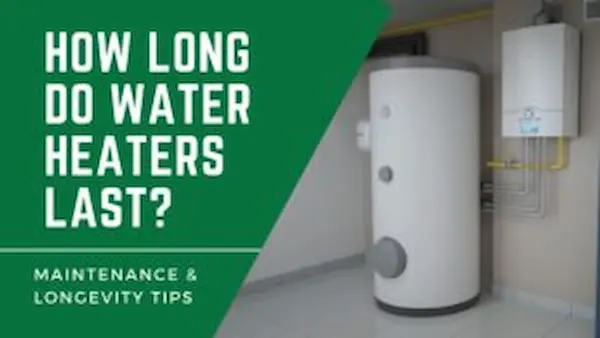
When your hot water starts running out faster than usual, or worse, disappears entirely, there’s a good chance your water heater is trying to tell you something.
One of the most common questions homeowners in Ontario ask us is: “How long is a water heater supposed to last?” And right after that: “How do I know if it’s time to replace it?”
The problem is, water heaters don’t always fail dramatically. More often, they wear down slowly, until one day you’re standing in a cold shower or mopping up water from a leaking tank. This article walks through what kind of lifespan you can expect in a Canadian climate, what factors wear your heater out faster, and how to tell when it’s smarter to replace than to repair.
What’s the Average Lifespan of a Water Heater in Canada?
In Ontario homes, we typically see:
- Tank water heaters last around 8 to 12 years
- Tankless water heaters can go 15 to 20 years
But those numbers are just averages. If you live in an area with hard water, rarely flush your tank, or have a high-demand household, your water heater might not make it past year 8. On the flip side, systems that are properly maintained and professionally installed can sometimes last longer than expected.
How to Tell If Your Water Heater Is Nearing the End
There’s no single “death signal” for a water heater, but there are early signs that show up when a system is reaching the end of its reliable life.
Here are the red flags Ontario homeowners often notice first:
- Hot water doesn’t last as long as it used to
- You hear rumbling, knocking, or popping sounds from the tank
- Water is rusty, dirty, or smells metallic
- You see small leaks or moisture around the base
- Your energy bills keep going up with no other explanation
- The unit is 10+ years old and has never been serviced
If one or more of these apply to your system, it’s time to start planning, not waiting.
Why Tank vs Tankless Makes a Difference
The type of system you have plays a big role in how long it’ll last, and how it fails. Conventional tank water heaters are more common, but they tend to show their age with sediment buildup, pressure loss, and eventual leaking. Tankless systems, while more expensive up front, generally last longer and operate more efficiently, but they’re also less forgiving when neglected.
Need help deciding which type is best for your next system? Our water heater guide explains key differences in care, cost, and lifespan.
What Shortens the Life of a Water Heater in Ontario Homes?
There are a few big factors that wear systems out faster:
Hard water: High mineral content (like calcium and magnesium) leads to sediment buildup, which reduces efficiency and strains components.
Lack of maintenance: If the tank hasn’t been flushed or the anode rod never checked, internal corrosion builds quietly over time.
Oversized demand: A small tank working overtime for a large family often wears out faster.
Improper installation: If the unit was installed without proper venting, drainage, or code compliance, it may have been compromised from day one.
Poor placement: Units installed in cold basements or drafty utility spaces are under more stress in winter months.
Is It Worth Repairing or Should You Just Replace It?
Here’s how HVAC professionals usually approach it:
- If the unit is under 7 years old and the problem is minor (like a faulty thermostat or valve), repair makes sense.
- If the system is 10 years or older, and you’re seeing multiple issues or a tank leak, it’s usually smarter to replace.
And remember, even if your system is still running, it doesn’t mean it’s running efficiently. If your hot water is unreliable, or your energy bills are creeping up, a new high-efficiency model could save more than it costs.
Want a professional opinion? Book a consultation to get an honest assessment of your current unit.
Why Waiting Until Failure Is a Risky Move
Many homeowners wait for their water heater to fully fail before taking action, but here’s why that can backfire:
- Leaking tanks can damage floors, walls, and stored items
- You’ll have to rush into a last-minute purchase without time to compare options
- Emergency replacements usually cost more
- You may go without hot water for a few days in peak season
If your heater is nearing the 10-year mark, replacing it on your terms gives you more control over timing, budget, and product choice.
Final Thoughts for Ontario Homeowners
If your water heater is over 8 years old, it’s already entering the replacement window. You might get another year or two, but the risk of failure climbs fast after year 10, especially if maintenance has been skipped.
Replacing before a full breakdown gives you the opportunity to choose a better, more efficient model, without the stress and cost of an emergency call.
Wondering if your current system still has life left in it?
Talk to a local technician to get expert advice on whether it’s time to replace or just maintain your water heater.