


Heat Pump vs AC in Ontario: Which Is More Efficient?

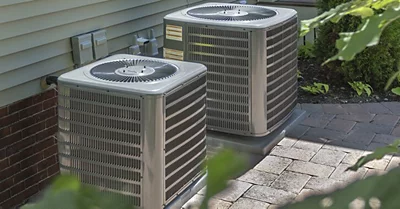
Ontario homeowners have more options than ever when it comes to cooling, and now even heating, their homes. With rising energy costs and a climate that swings from humid summers to freezing winters, understanding whether a heat pump or a traditional air conditioner is the better choice has become a common (and important) question.
The truth is, there isn’t a one-size-fits-all answer. The “best” system depends on your home’s insulation, your heating source, your energy costs, your environmental goals, and how much year-round comfort you want from a single unit.
This guide breaks down everything homeowners in Ontario need to know, in simple, real-world terms, so you feel confident choosing the system that matches your lifestyle, your home, and your budget.
Understanding the Basics: How Heat Pumps and ACs Really Work
While both systems can cool your home, a heat pump can also heat it. That difference alone changes the conversation for many households.
Air Conditioners: Cooling-Only Systems
A traditional AC has one job: pull heat out of your home and release it outdoors.
During Ontario summers, especially the humid ones, a modern AC does a great job keeping indoor air comfortable and properly dehumidified.
Heat Pumps: Heating + Cooling in One System
A heat pump works like an AC in summer and reverses the process in winter to pull heat into your home. Because it doesn’t burn fuel to create heat, it’s one of the most efficient ways to warm a home during milder winter days.
Ontario’s climate used to be a challenge for heat pumps, but modern cold-climate models perform significantly better, even during sub-zero temperatures. To see available options, browse our heat pump products.
Efficiency in 2025: Which System Wins?
When homeowners ask, “Which is more efficient?”, what they really want to know is:
Which system will save me more on energy bills over the next 10–15 years?
Here’s how the two compare:
Cooling Efficiency: Heat Pump and AC, A Tie in Ontario
A high-efficiency AC cools extremely well.
A high-efficiency heat pump also cools extremely well.
Both systems use similar technology, so in summer they perform almost identically. Even installers will tell you there’s no major difference in cooling performance for most homes.
If cooling is your primary goal, both systems deliver reliable efficiency, especially when properly sized and maintained.
To compare traditional AC options, you can browse our air conditioner products anytime.
Heating Efficiency: Heat Pumps Take the Lead
This is where heat pumps shine.
Instead of generating heat by burning fuel, a heat pump moves heat, making it dramatically more energy-efficient.
What this means in real terms:
- A heat pump can deliver 2–3 times more heat energy than the electricity it consumes.
- Homeowners with electric baseboard heating see major cost savings, sometimes up to 40–60%.
- Homes using propane or oil can also see significant savings.
- Natural gas homes benefit less, but some still prefer heat pumps for environmental or comfort reasons.
Instead of relying on a single heat source, many Ontario families now install a heat pump and keep their existing furnace for backup, a setup known as dual-fuel, which installers love because it combines efficiency and reliability for extreme weather.
If you’re considering a full or partial switch, our heat pump repair service provides customized assessments for your home.
Performance in Ontario’s Climate: Real-World Expectations
Ontario has unique, hot and humid summers, cold winters, and long stretches of unpredictable shoulder seasons.
Here’s how each system handles our climate:
Air Conditioners
- Perform consistently well in humid summers
- Provide strong dehumidification
- Require a separate furnace for winter heating
- Simpler system with fewer variables
Heat Pumps
- Provide efficient cooling in summer (similar to AC)
- Provide efficient heating for most of the winter
- Lose efficiency during extreme cold (–20°C and beyond) depending on model
- Usually paired with a furnace for sub-zero backup
The key is choosing the right type of heat pump, standard units are not ideal for Ontario winters, but cold-climate models are specifically designed to perform in freezing temperatures.
Environmental Impact: Heat Pumps Are the Clear Winner
Heat pumps significantly reduce greenhouse gas emissions because they don’t rely on combustion-based heating.
Ontario’s electricity grid is already clean compared to other regions, so switching to a heat pump has an even greater environmental benefit here.
Environment-focused homeowners often choose heat pumps for:
- Lower carbon footprint
- Reduced reliance on fossil fuels
- Year-round efficiency
For families planning to stay in their home long-term, environmental impact is becoming just as important as cost savings.
Cost Comparison: What Homeowners Should Expect
Upfront Costs
- Heat pumps typically cost more upfront because they offer both heating and cooling.
- AC units cost less initially, but require a furnace for winter.
Operating Costs
- Heat pumps are more efficient overall, especially if replacing electric, oil, or propane heating.
- Natural gas homes may see smaller savings but benefit from dual-fuel flexibility.
Maintenance
- AC + furnace requires servicing two separate systems.
- A heat pump + furnace (dual-fuel) still requires two systems but reduces annual furnace usage.
- A heat pump alone simplifies annual maintenance if your home doesn’t rely on gas heating.
Long-Term Value
Heat pumps often win because they provide:
- Lower operating costs
- Two functions in one system
- Better future-proofing
- Higher energy efficiency ratings (SEER2, HSPF2)
Comfort: Everyday Living Differences
This is where homeowners’ experiences vary, and why installer insight matters.
AC Systems
- Provide strong, predictable cooling
- Usually offer slightly stronger dehumidification
- Paired with furnaces that deliver high heat output quickly
Heat Pumps
- Provide a more consistent, even temperature
- No “blast” of hot air, gentler heating
- Excellent humidity control in summer
- Quieter operation overall
Homeowners who prefer steady, soft heating tend to love heat pumps.
Homeowners who prefer a quick burst of heat often stick with furnaces + AC.
Which System Should You Choose?
Here’s a helpful way to decide based on your home’s situation:
Choose a Heat Pump If You:
- Want higher year-round efficiency
- Care about environmental impact
- Have electric baseboards, propane, or oil heat
- Live in a home with good insulation
- Want cooling + heating from one system
- Prefer consistent, even comfort
Choose an Air Conditioner If You:
- Already have an efficient natural gas furnace
- Only want to upgrade cooling, not heating
- Prefer lower upfront costs
- Live in a home with limited electrical capacity
- Need strong dehumidification in summer
Installer Insight: The Most Common Recommendation in Ontario
Most HVAC technicians agree:
For homes with natural gas heat:
A heat pump plus your existing furnace (dual-fuel) gives the highest efficiency and best performance across all seasons.
For electric or propane homes:
A heat pump is almost always the better long-term investment.
For budget-conscious cooling-only upgrades:
A traditional AC remains a perfectly reliable, cost-effective choice.
Final Thoughts: Making a Confident, Informed Choice
Choosing between a heat pump and an air conditioner isn’t about picking the “better” technology, it’s about choosing what makes sense for your home, your comfort preferences, and your energy goals.
The best next step is an assessment from a licensed technician who can evaluate your insulation, heat loss, ductwork, home layout, and utility bills to determine the system that will perform best for your home.
If you’re considering the switch, explore our heat pump products or request a quote through our heat pump repairs service.