


What Furnace Size (BTU) Do You Need? Complete Home-Size Heating Chart

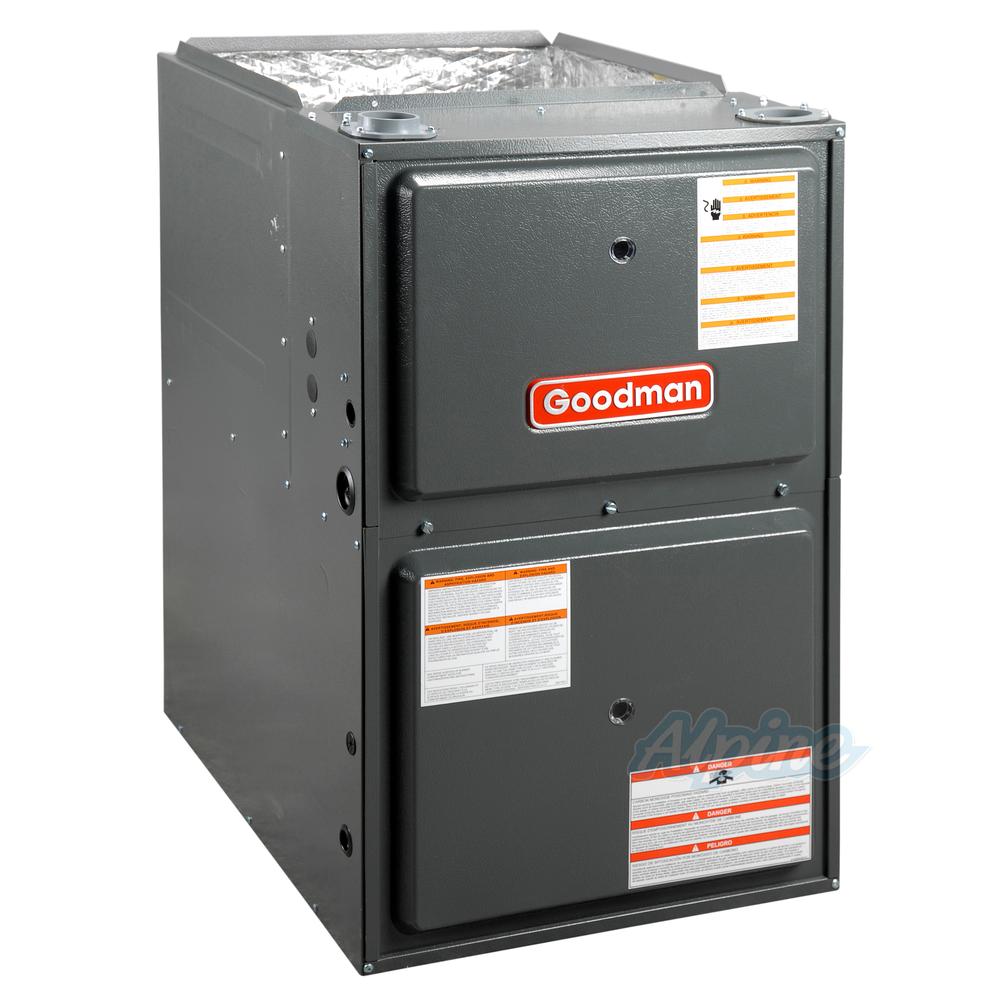
Choosing the right furnace size is one of the most important steps in keeping your home warm during a winter. It’s not just about buying the most powerful unit on the market, an oversized furnace can short-cycle and wear out early, and an undersized one may run constantly without ever reaching the temperature you want. The goal is proper sizing, and that depends on your home’s square footage, insulation level, layout, and the demands of our colder Southern Ontario climate.
If you’re planning a furnace upgrade or simply evaluating whether your current system is sized correctly, this guide explains how BTU sizing works and how to understand what your home actually needs.
Why Furnace Size Matters in Ontario’s Climate
Homes in the GTA, Ontario experience long heating seasons and frequent temperature swings. A correctly sized furnace ensures steady, comfortable heat without wasting energy or overstressing the system. When a furnace is too big, it turns on and off rapidly, leading to uneven temperatures and higher wear. When it’s too small, it runs nonstop, which increases utility bills and still leaves the home feeling cool in certain areas.
Sizing is especially important in older Toronto, Scarborough, Mississauga, and Brampton homes where insulation, windows, and layout vary widely. A townhouse built in the 1980s will heat very differently from a newer detached home in Vaughan or a semi in Etobicoke.
How BTU Sizing Works
BTU (British Thermal Unit) is simply a measure of heat output. In most GTA homes, furnace sizes range from about 40,000 BTU for smaller condos or townhomes to 120,000 BTU for large detached or older draftier homes. The right size depends primarily on:
- Total square footage
- Ceiling height
- Insulation quality
- Number of windows
- Home age and layout
- Whether the home has additions or open-concept space
While a full heat-load calculation requires more detail, square footage is the best quick reference for early planning.
GTA Furnace Size Chart (Approximate BTU Requirements)
This chart reflects average heating needs for Southern Ontario’s climate based on standard heating load recommendations and real installation data across the GTA.
| Home Size (Sq Ft) | Recommended Furnace Size (BTU) |
| 600–900 sq ft | 40,000–50,000 BTU |
| 900–1200 sq ft | 50,000–60,000 BTU |
| 1200–1600 sq ft | 60,000–70,000 BTU |
| 1600–2000 sq ft | 70,000–80,000 BTU |
| 2000–2500 sq ft | 80,000–100,000 BTU |
| 2500–3000 sq ft | 100,000–120,000 BTU |
| 3000+ sq ft | 120,000 BTU or heat-load check required |
These ranges apply to typical detached and semi-detached homes across the GTA. Newer, well-insulated builds may sit on the lower end of the range, while older or draftier homes may need more output.
When a Furnace Is Oversized
Oversized furnaces are more common than people think, especially in homes where an older system was installed without a proper load calculation. Signs include:
- Very short heating cycles
- Noticeable temperature swings
- Hot and cold spots
- Higher gas usage
- Faster wear on parts
Homeowners sometimes assume bigger is better, but in practice, an oversized furnace is less comfortable and less efficient.
When a Furnace Is Undersized
If your home never feels fully warm, or if the furnace runs for long periods on cold days, it may be undersized. You might notice:
- Long run times
- Never quite reaching the thermostat setting
- Cold rooms at the far ends of the home
- Rising utility bills
If you’re seeing these symptoms, it’s worth exploring whether your system needs resizing or getting help with furnace repair in the GTA if a mechanical issue is contributing.
How Furnace Type Affects Sizing
High-efficiency furnaces, especially modern two-stage or variable-speed systems, deliver heat more steadily and efficiently than older models. Because they extract more heat from every unit of gas, some homeowners can move slightly down in BTU size while still getting better performance.
Why Square Footage Isn’t the Only Factor
While the sizing chart is a great starting point, some homes need a closer look:
- Older Toronto and Mississauga homes with original windows
- Renovated homes with additions
- Open-concept layouts requiring stronger airflow
- Multi-level homes with temperature imbalance
In these cases, an installer usually considers duct size, airflow resistance, and insulation level before confirming the BTU recommendation.
Maintenance and Sizing Go Hand in Hand
A properly sized furnace still underperforms if it’s not maintained. Dirty filters, blocked ducts, aging blower motors, and neglected tune-ups all impact the furnace’s ability to heat the home properly.
If you want your furnace to operate at its designed capacity, annual checkups matter. You can learn more about maintenance scheduling through resources focused on keeping your furnace maintained.
When to Call for Professional Sizing Help
If you’re unsure about your current furnace’s size, or if you’re noticing uneven heating, noise, or rising bills, it’s worth having a technician assess the system. Sometimes a repair solves the issue. Other times, the furnace was the wrong size from the start.
If repairs are needed or if you’re unsure whether a replacement makes more sense, exploring your options starts with getting help with furnace repair in the GTA to rule out mechanical problems and confirm performance.
Thinking About a Furnace Upgrade?
If you’re planning to replace your furnace, understanding the right size is the best place to begin. From there, comparing efficiencies, staging, and installation requirements becomes much easier. For homeowners who want to review available systems, browsing high-efficiency furnace models is a helpful next step.
And if you want a broader look at heating and cooling solutions, whether you’re comparing furnaces, heat pumps, or water heating systems, you can explore the full range of heating and cooling services we offer to learn what fits your home best.
Related Reading
If you’re comparing repair options or trying to understand whether your furnace issue requires a technician, you may find this resource helpful. It offers a practical look at how homeowners in the GTA approach repair decisions and what to expect during service: