


Essential HVAC Maintenance Tips for Homeowners in Newmarket

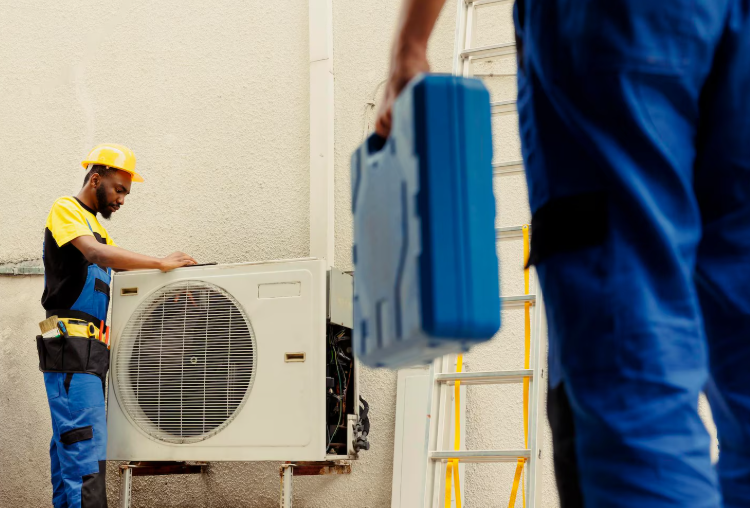
Winters in Newmarket, Ontario can be long and frigid, and summer humidity adds extra strain on your equipment. A simple, consistent maintenance plan keeps your system efficient, helps prevent surprise breakdowns, and stabilizes comfort from room to room.
Stay on Schedule with Filter Changes
- Check monthly; replace every 1–3 months. Set calendar or thermostat reminders so you don’t forget. Homes with pets, smokers, or ongoing renovations usually need monthly changes.
- Match the right MERV to your system. For most homes, MERV 8–13 balances air quality and airflow. Higher isn’t always better, confirm your furnace/air handler’s specs so static pressure doesn’t spike.
- Size and fit matter. Use the exact dimensions; the filter should slide in snugly with no gaps. Arrows on the frame must point toward the blower/air handler (direction of airflow).
- Choose the best filter type for your needs.
- Fiberglass: lowest cost, minimal capture, short lifespans.
- Pleated (1″): great all-around performance for most homes.
- Media cabinets (4–5″): higher capacity, longer life, lower pressure drop.
- Washable/electrostatic: only if fully dried before re-installing to avoid mold or odor.
- Watch for change signals. Rising energy bills, dust buildup at returns, musty odors, longer run times, or weaker airflow usually mean it’s time to swap the filter.
- Make it seasonal. Start each heating and cooling season with a fresh filter to protect equipment during peak demand.
- Do it safely. Power the system off before replacing; fully seat the access panel afterward so the switch engages.
- Avoid pressure problems. Don’t “stack” filters or jump to a higher MERV than your system allows. If you want MERV 13 performance, consider upgrading to a media cabinet designed for it.
- Track replacements. Write the date on the filter frame or keep a quick log so intervals stay consistent.
Learn the cadence. For a deeper dive on timing and service intervals, see how often you should service your HVAC system.
Keep Outdoor Units and Furnace Areas Clear
Keep outdoor units and the furnace area clear so air can move freely: maintain about 60 cm (24 in.) of clearance, shut power off before rinsing coils with a low-pressure hose (never a pressure washer), and keep grass, leaves, and lint off the fins. In winter, clear snow from around condensers/heat pumps; don’t wrap cabinets, and replace cracked insulation on the thick suction line. Indoors, keep the furnace room unobstructed, don’t block combustion-air grilles, and make sure the condensate drain flows properly. If cooling still seems weak after these basics, try this troubleshooting guide on why your central AC isn’t cooling.
Book Tune-Ups Before Peak Season
Seasonal tune-ups catch small problems early and keep warranties in good standing. Aim for late spring (cooling) and late fall (heating). Booking ahead of the first heat/cool rush in Newmarket helps you avoid long wait times and last-minute emergencies. Even a short visit can improve efficiency, reduce noise, and extend system life by restoring airflow, verifying safety controls, and dialing in settings.
What a heating tune-up typically includes:
- Combustion and safety checks (gas pressure, ignition sequence, flame signal, CO testing).
- Heat exchanger and vent inspection; verify temperature rise within spec.
- Blower wheel and motor assessment; belt/tension where applicable.
- Electrical connections, capacitor, and control board checks.
- Filter condition check and static pressure reading to flag airflow issues.
- Condensate trap/line cleanout on high-efficiency furnaces.
What a cooling/heat pump tune-up includes:
- Refrigerant charge verification (superheat/subcooling as applicable).
- Outdoor coil/rain shield inspection and gentle cleaning; fan and contactor checks.
- Thermostat calibration, sensor verification, and system start/stop tests.
- For heat pumps: defrost cycle and reversing valve operation.
Before the visit, make it easy to work quickly:
- Clear 60 cm (24 in.) around equipment and access panels; secure pets.
- Note unusual noises, odors, or rooms with poor comfort—these clues speed diagnosis.
- Have filter size/last change date handy; ensure the condensate drain is reachable.
Documenting results from each tune-up builds a baseline for future diagnostics, helps with warranty claims, and keeps your system ready for Newmarket’s temperature swings without surprises.
Dial In Thermostat Settings
Small thermostat mistakes can waste energy or create hot/cold spots. Avoid big temperature swings, use schedules that match your routine, and consider modest setback strategies when away. A smart thermostat (properly configured) can help fine-tune comfort and reduce waste.
Know When to Call for Service in Newmarket
Short cycling, persistent hot/cold spots despite clean filters, unusual noises, ice on lines, or burning smells are cues to schedule a visit. For fast local support, tune-ups, diagnostics, or installs, use the Newmarket HVAC services page to request a quote with clear scope and timing.