


Understanding the Real Cost of Central AC Installation

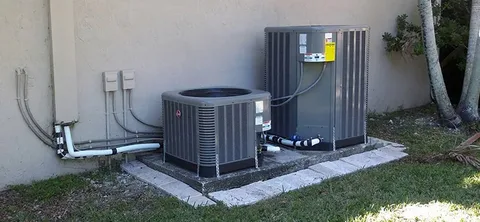
For many Ontario homeowners, installing or upgrading a central air conditioning system is one of the most significant investments they’ll make in their home’s comfort. Yet, understanding what truly affects the cost of installation isn’t always straightforward.
Prices can vary widely depending on factors like home size, system type, and energy efficiency , but beyond those basics, there are often hidden details that influence the total project cost.
If you’re considering installing a new central air conditioner system, this article will help you understand the real-world factors that determine your investment and how to plan for it wisely.
1. Home Size and System Capacity
The first and most obvious cost factor is the size of your home. Larger spaces require more powerful systems to keep air flowing evenly and maintain consistent temperatures. However, bigger doesn’t always mean better.
An oversized unit can cool too quickly, causing uneven temperatures and humidity problems, while an undersized system will struggle to keep up on hot days. That’s why accurate system sizing, often determined through a Manual J load calculation, is critical to both comfort and cost.
For a deeper understanding of how sizing affects installation and efficiency, you can refer to our guide on mini-split vs. central AC, which explains how different systems perform in Ontario’s varied climates.
2. Ductwork Condition and Accessibility
If your home already has existing ductwork, its condition can have a major impact on installation costs. Older ducts may need to be cleaned, repaired, or even replaced if they leak air or aren’t properly insulated.
In some cases, homes without ductwork , such as older Toronto properties , may require a full duct system installation, which adds significantly to labor and materials.
Accessible ducts (such as those in unfinished basements) are much easier and cheaper to work with compared to ducts hidden behind finished walls or ceilings. Ensuring your duct system is efficient before installation also helps reduce future energy costs.
3. Energy Efficiency and SEER Ratings
Energy-efficient air conditioners come with higher upfront costs but offer long-term savings on utility bills. The SEER rating (Seasonal Energy Efficiency Ratio) indicates how efficiently a system converts electricity into cooling power.
In Ontario, a minimum SEER rating of 14.5 is required, but many homeowners opt for units rated 16–18 SEER or higher for optimal efficiency. High-efficiency systems may also qualify for government rebates or incentives, further offsetting the initial cost.
Choosing an ENERGY STAR® certified system is one of the smartest ways to balance installation cost with ongoing savings.
4. Type of Central AC System
Not all central air systems are built the same. The type of system you choose , such as a split system (with separate indoor and outdoor components) or a packaged system , will affect both cost and installation time.
Split systems are the most common and generally offer better efficiency, but they may require more extensive installation. Packaged systems are more compact and easier to install, often used in smaller homes or specific layouts.
The brand, model, and included features (like smart thermostats or multi-stage compressors) also play a role in overall cost. Higher-end models usually deliver better energy efficiency and quieter operation, but they also come at a premium price.
5. Electrical and Structural Requirements
Every home’s electrical setup is different. Some older houses in Ontario may require panel upgrades or dedicated circuits to safely support a new central AC unit.
Structural factors can also affect installation costs , for example, where the air handler or condenser will be placed, or whether new vents and returns need to be added.
These adjustments are often overlooked in initial estimates but can account for a meaningful portion of the total project cost. Your HVAC installer should assess all of these factors during the initial consultation to provide an accurate estimate.
6. Installation Complexity and Labor
Labor is one of the largest cost components in any central AC installation. The more complex your home’s layout or duct system, the longer the installation will take.
Homes with limited space for equipment, finished basements, or tight attic access often require additional time and expertise.
Hiring a licensed and experienced HVAC contractor ensures that installation meets Ontario’s building codes, safety standards, and manufacturer guidelines , all of which protect your investment and warranty coverage.
7. Upgrades and Optional Add-Ons
Many homeowners choose to add optional upgrades during installation that enhance comfort or performance. These can include smart thermostats, air purification systems, UV lights, or zoning controls.
While they add to the initial cost, these features can significantly improve air quality and reduce long-term energy consumption. A good installer will help you determine which upgrades make sense for your lifestyle and budget.
8. Seasonal Timing and Contractor Availability
Just like any major home service, the time of year can affect your central AC installation cost. HVAC companies are busiest during late spring and early summer when temperatures rise and demand spikes.
If you schedule your installation during the off-season (early spring or fall), you may benefit from faster service, better availability, and occasionally lower rates. Planning ahead can save you both time and money , especially if you’re upgrading before your old system fails.
9. Rebates, Permits, and Efficiency Incentives
Government programs and energy agencies in Ontario sometimes offer rebates for high-efficiency air conditioning systems. For instance, the Home Efficiency Rebate Plus (HER+) can provide savings for homeowners installing qualified systems.
Additionally, certain municipalities require permits for AC installations. While your HVAC contractor typically handles this paperwork, it’s important to verify what’s needed in your area.
Taking advantage of rebates and ensuring compliance with local regulations can help you maximize your investment.
10. Professional Installation Makes All the Difference
Even the most advanced AC system won’t perform well if installed incorrectly. Hiring a reputable, licensed HVAC company is crucial for ensuring efficiency, safety, and warranty protection.
Experienced technicians not only install the system properly but also evaluate your home’s insulation, airflow, and energy requirements to optimize performance.
Before hiring, ask about credentials, warranties, and customer reviews , these details often separate trustworthy professionals from the rest.
Plan Your Installation the Smart Way
Installing a central air conditioner is a major decision, but understanding these cost factors can help you plan confidently. Every home is unique, and what influences cost in one property may differ in another.
If you’re ready to explore your options, HVAC Near Me provides expert guidance for homeowners across Ontario. Our licensed technicians can help you choose the right system size, efficiency level, and features to fit your budget and comfort goals.
To get started, you can explore central AC models on our website or request an installation estimate today.