


Why Your Boiler Causes Inconsistent or Fluctuating Temperatures

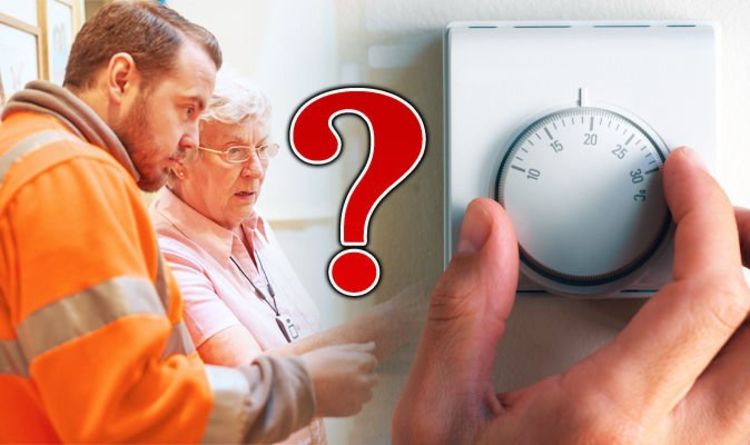
A boiler is designed to deliver steady heat, but when temperatures in your home start to fluctuate, it’s a clear sign that something isn’t working properly. Cold spots in one room, overheated areas in another, or heat that comes and goes altogether often point to mechanical issues or maintenance needs. Understanding why this happens can help you restore comfort and protect your heating system from bigger problems.
How Boilers Provide Consistent Heat
Boilers work by heating water and sending it through a closed-loop system of pipes to radiators or underfloor heating systems. As the hot water or steam moves through the system, it gradually releases warmth into each room, creating an even and comfortable indoor environment. When everything is functioning correctly, this process delivers steady, balanced heat without the fluctuations that many forced-air systems can cause.
Modern boilers are designed with efficiency and comfort in mind, using advanced controls and durable components to ensure reliable performance. However, even the best systems can run into problems if key parts become dirty, worn, or damaged. A failing circulation pump, clogged pipes, or minor leaks can disrupt heat distribution, leading to cold spots and inconsistent temperatures throughout the home. That’s why timely boiler repairs are so important—they restore system balance before small issues turn into major disruptions.
Common Causes of Inconsistent Boiler Temperatures
Temperature fluctuations are usually linked to issues in circulation, controls, or system components. When heat isn’t moving properly through your pipes and radiators, or when the thermostat fails to signal the boiler at the right time, the result is uneven warmth from room to room. In many cases, these problems start small, like air pockets or minor buildup inside the system, but if they’re ignored, they can grow into bigger issues that affect efficiency and comfort. Regular boiler maintenance is the best way to spot these warning signs early and prevent costly repairs. Some of the most common causes include:
- Thermostat problems – A faulty or outdated thermostat may not signal the boiler correctly, leading to uneven heating.
- Air trapped in the system – Pockets of air inside radiators or pipes block water flow and reduce heat output.
- Sludge or scale buildup – Deposits inside the system restrict circulation and cause hot and cold spots.
- Failing circulation pump – If the pump can’t move water effectively, heat won’t reach all parts of the home.
Boiler short-cycling – The system turns on and off too often, failing to maintain steady temperatures.
Why These Issues Shouldn’t Be Ignored
Uneven or fluctuating heat isn’t just inconvenient, it’s often a warning sign that your boiler is under stress. When temperatures rise and fall unpredictably, your system works harder than it should, which wastes energy and increases wear on essential components. Over time, what starts as a small circulation problem, a thermostat fault, or trapped air in the system can grow into expensive repairs or even force premature replacement of the boiler. Ignoring these early symptoms doesn’t just reduce comfort, it impacts long-term efficiency and reliability. Without attention, these issues can lead to:
- Higher utility bills from wasted energy
- Greater wear on boiler components
- More frequent breakdowns and costly repairs
- Cold spots that reduce overall comfort in your home
Effective Repair Solutions
Once the cause of temperature fluctuations is identified, targeted repairs can restore consistent heat. Professional technicians rely on diagnostic tools to measure water pressure, inspect the circulation pump, test thermostat accuracy, and examine internal boiler parts for damage or buildup. This careful process ensures the real problem is fixed rather than just the symptoms. When repairs are done promptly, the system can return to efficient and reliable operation, extending the life of the boiler and improving comfort in every room. The most effective repair solutions include:
- Bleeding radiators to remove trapped air and restore circulation
- Cleaning sludge and scale buildup to improve water flow
- Repairing or replacing the circulation pump for reliable heat distribution
- Fixing thermostat issues by calibrating or upgrading the device
- Addressing short-cycling by correcting underlying boiler faults
Preventing Future Temperature Problems
Preventative care is the best way to avoid recurring issues with inconsistent heat. Regular service ensures your boiler runs efficiently, reduces the risk of breakdowns, and keeps your home comfortable throughout the season. Key maintenance steps include:
- Scheduling annual professional inspections
- Flushing the system to clear sludge and scale buildup
- Checking and topping up boiler pressure
- Servicing or upgrading the thermostat
- Inspecting and maintaining the circulation pump
Related Problems You Might Notice
Sometimes fluctuating boiler temperatures are connected to other heating issues in your home. One of the most common is radiators that stay cold even when the boiler is running. If that’s happening in your system, read our guide on why radiators stay cold when the boiler is on.
Keeping Boiler Temperatures Steady
Your boiler should provide consistent comfort, not fluctuating heat. By understanding the common causes of temperature swings and addressing them with professional repairs or preventative maintenance, you can protect your system and enjoy reliable warmth all winter.